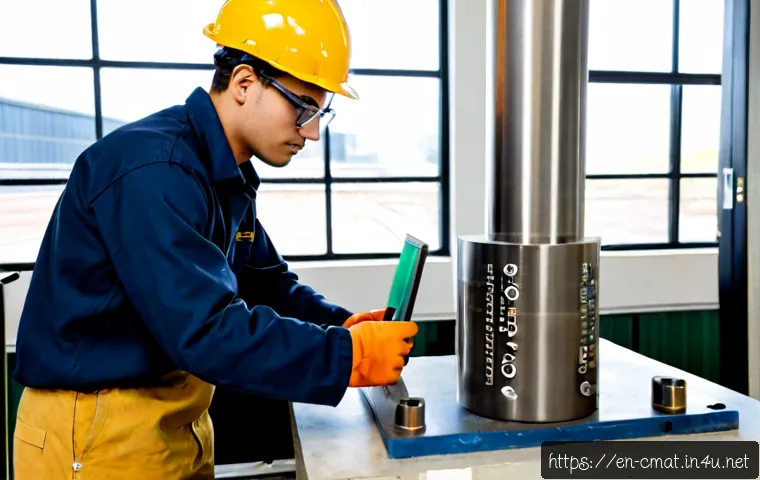
Civil engineering is often the strongest all-round major for construction materials testing because it connects material behavior with infrastructure and site work.
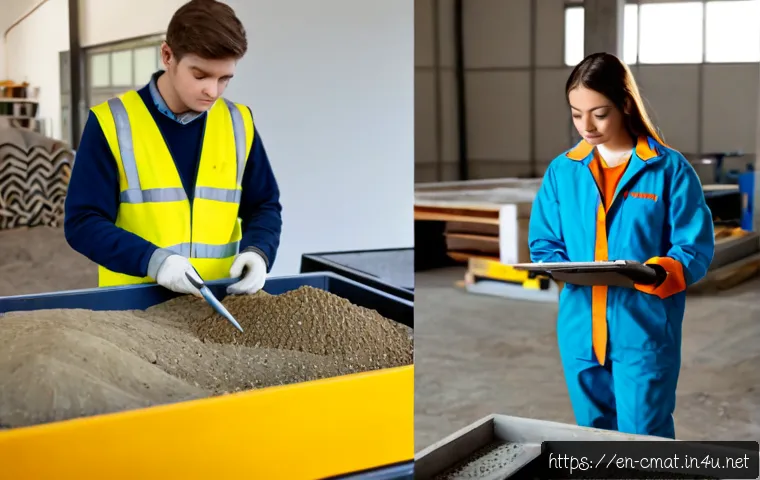
Materials science can be a better fit for students who want deeper laboratory knowledge, while construction management and geotechnical study offer useful alternatives for site-focused or ground-material roles.
The best choice is not simply the degree title; it is the amount of relevant coursework, laboratory access, field practice, and internship support. A four-year degree may help with longer-term engineering or quality assurance paths, but some technician roles can also be reached through targeted training and employer-led experience.
Before paying for a university program or certification preparation course, compare the practical training it provides with the roles you want to pursue.
Local certification rules, examination eligibility, and employer requirements should always be confirmed directly.
At a Glance
- Civil engineering usually offers the broadest preparation for infrastructure-related materials testing.
- Materials science, construction management, and geotechnical study can be stronger depending on whether your goal is laboratory work, site coordination, or soil and aggregate testing.
- Choose a program based on course content, lab access, field training, internship opportunities, and local certification expectations.
| Study Route | Typical Strength | Hands-On Priority | Career Fit | Cost and Value Check |
|---|---|---|---|---|
| Civil Engineering | Broad engineering foundation and infrastructure relevance | Materials labs, structural concepts, possible site work | Testing, quality assurance, engineering support, future supervision | Compare tuition, laboratory fees, internship access, and the program’s materials courses |
| Construction Management | Project workflow, site operations, and quality coordination | Field exposure may be stronger than laboratory depth | Field technician support, contractor coordination, construction quality roles | Check whether the curriculum includes actual testing methods rather than only project courses |
| Materials Science and Engineering | Material behavior, laboratory analysis, and quality control | Often laboratory-focused | Laboratory testing, materials evaluation, quality-focused roles | Review whether construction materials such as concrete, asphalt, and aggregates are included |
| Geotechnical or Geological Study | Soils, aggregates, ground conditions, and sampling | Field sampling and soil-related testing can be central | Soil testing, aggregate testing, geotechnical support, site investigation | Confirm the program’s connection to construction testing employers and applicable certification pathways |
Which University Majors Best Support Construction Materials Testing Careers?
The best major depends on the kind of construction materials testing work you want to perform. A degree title matters less than whether the program teaches relevant materials, provides access to working laboratories, and gives students chances to practice sampling, testing, documentation, and quality reporting. Civil engineering is usually the most flexible option, but it is not automatically the only suitable path.
Civil Engineering: Broad Technical Foundations and Infrastructure Relevance
Civil engineering is a practical choice for students interested in roads, buildings, bridges, foundations, and other infrastructure. It can connect construction materials testing with structural materials, construction processes, quality control, and engineering design. This broader base can be useful for people who may later move into engineering support, quality assurance, project coordination, or supervisory work.
However, not every civil engineering program offers extensive practical testing. Look beyond the course title. Ask whether students work with concrete, asphalt, soil, aggregates, or laboratory reporting. A program that discusses material theory without giving students access to testing equipment may not provide the same preparation as one with active laboratory and field components.
Construction Management: Project and Site-Process Context
Construction management can be a good route for people who prefer the pace of job sites and want to understand how testing fits into schedules, inspections, subcontractor coordination, and project quality processes. This major may help students see why sampling timing, communication, and documentation can affect project decisions.
The limitation is that construction management programs may vary widely in technical depth. Some focus heavily on estimating, contracts, planning, and operations. Those subjects are valuable, but they do not replace instruction in material properties or laboratory procedures. If materials testing is your target, verify that the program includes construction quality control, materials coursework, or site-based testing exposure.
Materials Science and Engineering: Deeper Material Behavior and Laboratory Focus
Materials science and engineering may suit students who enjoy laboratory work and want a closer look at why materials behave differently under changing conditions. It can build a strong foundation in material structure, performance, failure, and evaluation methods. For laboratory-oriented roles, this depth may be especially attractive.
Still, a strong general materials program does not always focus on construction materials. Review the syllabus carefully. If your goal is a construction testing laboratory, ask whether students encounter concrete, asphalt, aggregates, structural materials, or comparable quality-control work. A broad laboratory background is useful, but direct relevance makes the transition easier.
Geotechnical and Geological Study: Soil, Aggregates, and Ground-Condition Applications
Geotechnical-focused study and some geological programs can be well aligned with soil testing, aggregate testing, sampling, and ground-condition assessment. These routes may appeal to students who prefer fieldwork and want to work near foundations, earthworks, roadbeds, or site investigation activities.
Program names can be misleading. A geology-heavy curriculum may emphasize earth processes without teaching construction testing procedures, while a geotechnical option may have stronger links to civil engineering practice. Check for soil mechanics, aggregate evaluation, field sampling, and testing documentation before assuming the course is a direct match.
Compare Degree Paths by Coursework, Laboratory Access, and Career Value
When comparing university programs, treat the curriculum and facilities as more important than marketing language. A degree can be worth the tuition cost when it provides skills that match the jobs you want and creates access to internships, co-op placements, or relevant employers. If a program lacks practical exposure, targeted technical training or employer-led experience may be a more direct starting point for some roles.
Essential Subjects: Concrete, Asphalt, Soil, Aggregates, Quality Control, and Structural Materials
A relevant program should make room for subjects connected to the materials commonly used in construction. Useful course areas can include concrete, asphalt, soil, aggregates, structural materials, construction quality control, and laboratory methods. Coursework in technical writing, data handling, and construction processes can also help because testing work involves more than operating equipment.
Do not assume that an engineering label guarantees these topics. Compare course descriptions, not only course names. If a school offers electives, check whether they are available regularly and whether students can realistically enroll in them.
How to Evaluate Laboratories, Field Equipment, and Hands-On Testing Opportunities
Laboratory access is one of the clearest differences between programs. Ask whether students perform testing themselves, observe demonstrations, or only study procedures in lectures. Hands-on learning can include preparing samples, following a test process, recording observations, and producing clear reports.
Also ask about field opportunities. Construction materials testing may involve site sampling, communication with project teams, and careful recordkeeping under changing conditions. A program with laboratory facilities but no connection to field practice may still be useful, but you should plan to gain site exposure through an internship, co-op, or entry-level employer.
Tuition, Lab Fees, Certification Preparation, and the Value of Paid Internships
Education costs are not limited to tuition. Before enrolling, compare laboratory fees, required equipment, certification preparation courses, transportation for field activities, and the time needed to complete the program. Exact costs should be confirmed directly with each school or training provider.
Paid internships can add value because they provide real work context while reducing the need to guess what employers expect. A placement is not a guarantee of employment, but it can help you test whether you prefer laboratory routines, site-based work, or a combination of both. When reviewing a school, look for clear information about internship support and employer connections.
How Academic Study Connects to Real Testing Work
Academic study is most useful when it prepares you to work accurately and consistently. Construction materials testing roles can involve laboratory testing, field sampling, documentation, quality reporting, and communication with supervisors or project teams. A degree may support these tasks, but employers may also assess practical habits and attention to detail.
Laboratory Testing, Field Sampling, Documentation, and Quality Reporting
In a laboratory, the work may involve preparing samples, following a defined test procedure, recording results, and checking that information is complete. In the field, tasks may include collecting samples, observing materials or site conditions, and communicating details that affect the testing process.
Students should not focus only on equipment. Documentation and quality reporting are part of the job. A technically correct test can still create problems if records are unclear, incomplete, or difficult for others to review.
Why Standards Awareness and Accurate Recordkeeping Matter
Testing work is tied to established procedures and project requirements. Standards awareness helps a worker understand that methods, observations, and records need to be handled consistently. It also helps students recognize when they need to ask a supervisor, instructor, employer, or certification body for clarification.
Requirements vary by location and organization. Avoid relying on general online guidance as proof of examination eligibility, licensing status, or certification acceptance. Confirm the current requirements with the relevant local authority, school, employer, or certification body.
Skills Employers May Assess Beyond a Degree Title
Employers may look beyond your major. They may value careful observation, reliable note-taking, basic numerical confidence, communication, safety awareness, punctuality, and the ability to follow procedures. Site work can also require adaptability because schedules and conditions may change.
A student with a broadly related degree and strong field experience may be well positioned for some roles. Conversely, someone with a closely related degree but no laboratory practice may need additional training. The goal is to build a combination of technical knowledge, practical practice, and dependable work habits.

Avoid Common Education and Career Planning Mistakes
Many education decisions go wrong because students compare degree titles rather than actual learning opportunities. A little research before enrollment can prevent paying for a program that does not support your intended work.
Assuming Any Engineering Major Includes Materials-Testing Practice
Engineering programs can share math and science foundations while leading to very different careers. Do not assume that every engineering major includes concrete testing, asphalt testing, soil work, aggregate evaluation, or construction laboratory methods. Request the current curriculum and review the practical components.
Overlooking Internships, Co-op Placements, and Site-Based Learning
Internships and co-op placements can show how testing fits within real construction operations. They may also help you understand whether you enjoy laboratory routines, travel between sites, early project schedules, or direct communication with construction teams. Do not wait until graduation to look for this exposure.
If a university program offers limited placement support, ask whether local testing laboratories, contractors, or engineering firms commonly hire students. The answer may shape the value of the program more than a polished brochure does.
Treating Certification Eligibility as Identical Across Locations
Certification, licensing, examination eligibility, approved experience, and employer expectations can vary by country, state, region, and organization. A course that is useful in one location may not meet the same expectations elsewhere. This is especially important for career changers who are comparing short courses with university study.
Before paying for a certification preparation course, confirm what it covers, what it does not cover, and whether it is relevant to your local pathway. Never assume that a degree alone automatically satisfies every requirement.
Best Study Route for Different Career Goals
The right route depends on your target position, current experience, budget, and timeline. There is no single degree or training route that fits every construction materials testing role.
Students Targeting Laboratory Technician or Field Technician Roles
Students aiming for technician work should prioritize practical exposure. A focused technical program, relevant university coursework, or employer-led training may be appropriate depending on local hiring practices. Look for opportunities to learn laboratory routines, sample handling, field sampling, reporting, and safety procedures.
A four-year degree may be helpful, but it may not be mandatory for every laboratory or field-testing position. Review job descriptions from local construction testing employers before deciding that a full degree is the only route.
Candidates Aiming for Engineering, Quality Assurance, or Supervisory Positions
For people who want broader engineering responsibility, quality assurance work, or future supervisory options, civil engineering often provides a flexible base. Materials science may be a strong alternative for laboratory-centered quality paths, while geotechnical study can fit soil and ground-material specialization.
These goals usually benefit from combining academic study with practical work. A degree alone may not demonstrate site readiness. Seek internships, project work, laboratory assignments, and guidance on local engineering certification requirements.
Working Professionals Considering Part-Time Study, Short Courses, or Employer Training
Working professionals may not need to begin with a full university program. If your target employer values practical testing experience and you already work near construction operations, short courses or employer training may offer a more direct route. The value depends on whether the training matches the specific work you expect to perform.
Compare the total training cost with the likely career benefit. If advancement requires a degree in your local market, part-time study may make sense. If the immediate goal is entry-level testing exposure, a targeted course plus supervised experience may be more practical. Confirm expectations with local employers rather than relying on a general assumption.
Choosing a Program or Training Route: Final Comparison Checklist
Before committing to a degree, technical course, or certification preparation option, compare these points:
- Curriculum relevance: Does it cover concrete, asphalt, soils, aggregates, quality control, or related construction materials?
- Laboratory and field access: Will you perform testing, use equipment, prepare reports, or join site-based learning?
- Placement support: Are internships, co-ops, employer introductions, or local industry connections available?
- Total training cost: Have you checked tuition, laboratory fees, course materials, certification preparation, and time away from work?
- Career alignment: Does the route support technician work, laboratory work, engineering support, quality assurance, or supervision?
- Local requirements: Have you confirmed certification and employer expectations where you intend to work?
Compare course content, lab facilities, placement support, and total training cost before enrolling. For exact entry requirements, current course details, and certification conditions, check the official information provided by the school, employer, or relevant certification body.
Final Thoughts
Construction materials testing is connected to several academic paths, not just one degree title. Civil engineering is often the broadest choice, while materials science, construction management, and geotechnical study can be better aligned with specific interests. The strongest preparation combines relevant coursework with laboratory practice, field exposure, and clear documentation skills. Choose the route that fits both your current situation and the type of work you want to do next.
Useful Things to Know
1. A program’s laboratory access can matter as much as its degree title.
2. Internship or co-op experience can help you understand real testing workflows before graduation.
3. Technician, laboratory, quality, and engineering-support roles may have different education expectations.
4. Certification preparation should be checked against local requirements, not assumed to be universally accepted.
Important Notes
Exact licensing, examination eligibility, approved experience, degree requirements, fees, and salary expectations vary by location, employer, and certification body. A university degree may be preferred for some positions but may not be required for every laboratory or field-testing role. Confirm current requirements directly with local schools, employers, and relevant certification organizations before making an enrollment or training decision.
Frequently Asked Questions
Q1. Is civil engineering the best major for construction materials testing?
A1. Civil engineering is often the strongest all-round option because it connects materials, infrastructure, construction processes, and engineering fundamentals. However, it is only the best fit if the program includes relevant materials coursework, laboratory opportunities, and practical experience. Materials science may suit laboratory-focused students, while geotechnical study may be better for soil and aggregate work.
Q2. Can I work in construction materials testing without a four-year engineering degree?
A2. It may be possible for some laboratory or field technician roles, depending on local employers and certification requirements. Targeted technical training, relevant coursework, and employer-led experience can be useful alternatives. Confirm the requirements for the specific role and location before choosing a training route.
Q3. What should I compare before paying for a university program or certification prep course?
A3. Compare course content, laboratory facilities, practical hours, field opportunities, placement support, total training cost, and local certification relevance. Also review job postings from construction testing employers to see whether the program supports the qualifications they commonly request.