Hey there, fellow construction enthusiasts and career adventurers! Have you ever paused to think about how much the world of building materials has truly transformed?
It’s not just about mixing concrete anymore; the entire landscape for our amazing construction materials testing technicians is undergoing a fascinating evolution.
I’ve personally seen firsthand how these critical roles, once perhaps seen as purely hands-on and technical, are now blending cutting-edge technology with deep-seated expertise.
From navigating sophisticated digital tools to championing sustainable practices, today’s technicians are truly at the forefront of innovation. The demand for meticulous quality control has never been higher, and our pros are stepping up in ways that would have been unimaginable just a decade ago.
If you’re curious about how these incredible individuals are adapting, mastering new skills, and shaping the future of construction, you’re in for a treat.
Let’s dive in and unravel this exciting transformation together!
The Digital Revolution Sweeping Our Labs and Sites
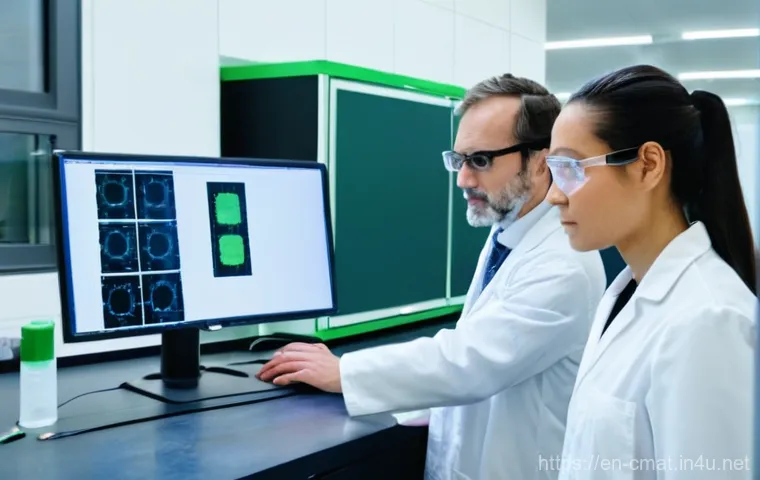
Honestly, it feels like just yesterday we were hunched over clipboards, scribbling down numbers and hoping our handwriting was legible. Fast forward to today, and the scene is entirely different! The sheer volume of data and the need for instant insights have pushed us squarely into a digital-first world. I’ve personally been thrilled to embrace how technology has streamlined our daily grind, making our work not only more efficient but also significantly more accurate. We’re talking about everything from on-site data capture with rugged tablets to sophisticated lab information management systems (LIMS) that track every single sample’s journey. This isn’t just about faster reporting; it’s about building a robust digital trail that ensures traceability and reliability, something that was a real headache back in the day. The push for digitalization and automation is a crucial trend, enhancing reliability, repeatability, and precision while reducing human error and optimizing manpower resources.
Goodbye Clipboards, Hello Tablets!
Remember those cumbersome notebooks and the endless piles of paperwork? Yeah, those are largely a thing of the past for many of us. Now, when I’m out on a site, my tablet is my best friend. We’re using specialized apps to input test results directly, capture geotagged photos, and even perform on-the-spot calculations. It’s truly a game-changer! This real-time data entry minimizes errors that could creep in from manual transcription later, and it means project managers get updates almost instantly. It’s not just about speed; it’s about creating a seamless flow of information that connects the field directly to the lab and the project stakeholders. This connectivity has fundamentally reshaped how we communicate and collaborate, making everyone’s job a little bit easier and a lot more transparent. Material testing software, equipped with advanced features, is revolutionizing the industry by allowing for efficient analysis and real-time data, leading to faster project completion and reduced costs.
Precision and Data: The New Gold Standard
With all this digital integration, precision has become the absolute gold standard, and frankly, it’s exhilarating. Advanced material testing software and digital systems are providing insights we could only dream of before. We’re talking about automated systems for concrete cube testing, steel reinforcing bars, and soil analysis, often incorporating high-precision robotic arms and computer vision. These systems don’t just record data; they analyze it, flagging potential anomalies or deviations from project specifications with remarkable accuracy. From my own experience, having immediate access to comprehensive data analytics means we can make quicker, more informed decisions. This real-time monitoring and data analysis are pivotal for catching issues before they escalate, ensuring that quality control is a continuous, proactive process rather than just a post-mortem. It truly feels like we’re operating at a higher level of scientific rigor, contributing to safer, more durable structures for everyone. Digital audit trails and real-time monitoring capabilities help catch issues before they become problems, strengthening compliance and quality assurance.
Embracing the Green Shift: Sustainable Materials and Methods
It’s no secret that the construction industry is under the microscope when it comes to environmental impact. And guess what? Materials testing technicians are right there on the front lines, playing a pivotal role in ensuring that sustainable practices aren’t just buzzwords but actual, measurable realities. I’ve seen a noticeable shift in the types of materials coming through our labs, with a definite emphasis on eco-friendly and recycled options. This isn’t just a trend; it’s a fundamental change in how we approach construction, driven by both regulatory pressures and a growing collective consciousness. Adapting to test these novel materials requires us to continuously learn and often develop new methodologies. It’s incredibly rewarding to know that our work contributes directly to building a more sustainable future, literally from the ground up. The increasing use of sustainable materials is reshaping testing regimens, requiring technicians to adapt and evaluate new eco-friendly materials effectively.
Testing the Green Stuff: A New Challenge
Working with sustainable materials is genuinely fascinating, but it certainly brings its own set of challenges. We’re often dealing with composites or recycled content that behaves differently than traditional materials. For instance, testing the tensile strength of biodegradable materials or the performance of plant-based plastic films requires a nuanced understanding and sometimes even developing bespoke testing protocols. It’s not always as straightforward as a standard concrete compression test. From my perspective, this demands a higher level of critical thinking and problem-solving skills, as we need to ensure these green alternatives not only meet performance expectations but also adhere to stringent environmental standards throughout their lifecycle. It’s like being a detective for durability, making sure that what’s good for the planet is also robust enough for our infrastructure.
Reducing Our Footprint, One Test at a Time
Beyond testing the materials themselves, our own operations are becoming more sustainable. I’m proud to see labs adopting practices that reduce waste and energy consumption. For example, the shift to electronic test reports alone can save millions of sheets of paper annually, significantly reducing our carbon footprint. This focus on efficiency and waste reduction in our own processes aligns perfectly with the broader goals of green construction. It’s a holistic approach where every decision, from the samples we take to the methods we employ, is considered through a sustainability lens. It’s about being mindful stewards of resources, not just materials. Sustainable test methods should ensure a balance between evaluation costs and the material’s or building’s safety, reliability, and stability, reducing waste and unnecessary use of raw materials.
Unveiling Material Secrets: Beyond Basic Properties
The days of simply checking for basic strength and density are well behind us, my friends. Today’s construction projects demand an incredibly deep dive into the nuanced behavior and intricate properties of materials. I’ve personally found myself poring over complex data, trying to understand how materials will perform under extreme conditions, or how novel combinations will interact over decades. It’s truly a science of predicting the future performance of a structure based on the microscopic details we uncover in our labs. We’re moving from a prescriptive approach to a much more performance-based one, where understanding the ‘why’ behind a material’s behavior is just as important as the ‘what.’ This requires a keen analytical eye and a real passion for discovery.
When Concrete Isn’t Just Concrete Anymore
Think about concrete, for instance. It’s not just cement, aggregate, and water anymore! We’re dealing with self-healing concretes, ultra-high-performance concretes, and even concretes infused with various admixtures to achieve specific properties like enhanced durability or faster curing times. My job now often involves specialized testing for factors like permeability, chloride ingress resistance, or even alkali-silica reactivity – things that were less common a decade ago. It’s challenging but incredibly rewarding to contribute to the integrity of such advanced materials, knowing they’ll form the backbone of our future cities. We constantly have to stay updated on new formulations and the specific testing methodologies they require. Materials testing technicians evaluate various materials, such as concrete, soils, and asphalt, to ensure they meet specified compliance standards for construction project integrity and safety.
Exploring Composite Marvels
And then there are composites! Fiber-reinforced polymers (FRPs), engineered wood products, and other hybrid materials are becoming increasingly prevalent, especially in innovative architectural designs or infrastructure repairs. Testing these often involves non-destructive methods like ultrasonic testing or ground-penetrating radar, allowing us to assess integrity without damaging the material itself. I’ve seen firsthand how these techniques provide real-time data, revealing flaws or defects deep within the material, which traditional methods simply couldn’t touch. It feels like we’re constantly pushing the boundaries of what’s possible, ensuring that these high-tech materials live up to their promises. It’s truly a dynamic field, constantly evolving with new materials and methods demanding our expertise.
Safety First, Always: Evolving Standards and Protocols
In our industry, safety isn’t just a priority; it’s the foundation of everything we do. The standards and protocols governing construction materials testing are constantly evolving, becoming more stringent and comprehensive, which is a fantastic thing for everyone involved in a project and, more importantly, for the end-users of the structures we help build. I’ve personally witnessed how these changes, driven by lessons learned and advancements in material science, directly translate into safer construction sites and more resilient buildings. Staying on top of these updates means continuous learning, but it’s a responsibility I take very seriously. It’s about protecting lives, preventing costly failures, and ensuring that every structure stands the test of time. Compliance with safety and regulatory standards is a key trend in material testing.
Navigating Ever-Stricter Regulations
It can sometimes feel like a whirlwind keeping up with all the updated regulations, from ASTM standards to local building codes. But honestly, it’s a vital part of our job. These regulations aren’t arbitrary; they’re designed to protect the public and ensure structural integrity. My team and I spend a good amount of time in training sessions, pouring over new guidelines, and collaborating with engineers to understand the nuances of compliance. For example, changes in concrete mix design requirements or stricter compaction standards for soil directly impact how we perform our tests in the field and the lab. This constant learning curve, while demanding, ensures that we’re always performing to the highest possible benchmarks, which ultimately reduces risks and elevates the quality of construction. Staying updated with standards is crucial to avoid regulatory issues and enhance reputation.
Proactive Safety Measures in the Field
Beyond the paperwork and lab work, safety extends directly to our field operations. We’re often working on active construction sites, sometimes in less-than-ideal conditions. The evolution here has been incredible, with much more emphasis on proactive safety measures. I’ve personally seen the introduction of advanced personal protective equipment (PPE), better site safety protocols, and a stronger culture of risk assessment. For example, when using nuclear density gauges for soil compaction, our training emphasizes strict adherence to radiation safety protocols. It’s about being aware of our surroundings, identifying potential hazards, and ensuring that every test is conducted not just accurately, but also safely. Because at the end of the day, our own well-being, and that of our colleagues, is paramount.
Career Growth and Skill Upskilling: What it Takes to Thrive

If you’re thinking about a career in construction materials testing, let me tell you, it’s far from stagnant! This field is bursting with opportunities for growth, but it absolutely demands a commitment to continuous learning and skill development. What I’ve seen over the years is that technicians who are curious, adaptable, and eager to embrace new technologies are the ones who truly thrive. It’s not just about mastering one set of tests; it’s about building a versatile toolkit of knowledge and abilities that makes you indispensable on any project. The industry is constantly evolving, and so must we. Advancement in this field requires certification from various state and federal agencies.
Embracing Continuous Learning
From day one, I realized that learning never stops in this profession. New materials, new testing equipment, and new software pop up all the time. I’ve spent countless hours in workshops, online courses, and even just reading industry publications to keep my skills sharp. It’s not just formal training either; I learn so much from my colleagues and from encountering unique challenges on different projects. The ability to troubleshoot, to understand the ‘why’ behind a material’s failure, and to adapt quickly to unexpected situations comes from a blend of formal knowledge and hands-on experience. This continuous pursuit of knowledge is what keeps the job exciting and keeps us at the top of our game. Continuous training and updates to standards are essential for success.
Certifications That Pave the Way
When it comes to career advancement, certifications are absolutely gold! They’re not just pieces of paper; they’re official recognition of your expertise and a testament to your dedication. I’ve personally worked hard to acquire several, like the American Concrete Institute (ACI) Concrete Field Testing Technician, Grade I, and various National Institute for Certification in Engineering Technologies (NICET) levels for asphalt and soil. These certifications not only bolster your resume but often open doors to higher-level projects and increased responsibilities. They demonstrate to employers and clients that you meet recognized industry standards and possess the specialized skills required for critical tasks. It’s a clear pathway to establishing yourself as a true professional in this field. ASTM also offers comprehensive certification programs for laboratory and field technicians.
The Human Element: Judgment, Experience, and Critical Thinking
While technology is undoubtedly transforming our field, I firmly believe that the human element remains irreplaceable. There’s a nuanced judgment, an intuitive understanding, and a critical thinking capacity that only an experienced technician can bring to the table. I’ve personally encountered situations where the numbers on a screen tell one story, but my gut feeling, honed over years of hands-on work, tells another. It’s in those moments that our expertise truly shines, allowing us to interpret complex data within the broader context of a project, the site conditions, and even the history of the materials involved. This isn’t just about following a checklist; it’s about being a problem-solver, a diagnostician, and sometimes, a bit of an artist in how we approach our work. Machines are fantastic, but they don’t have our intuition.
Machines Can’t Replicate Intuition
I’ve seen it time and again: a piece of equipment might give a reading, but it takes a human eye to spot the subtle anomaly in a concrete sample, or a human touch to feel an inconsistency in compacted soil that a sensor might miss. Our experience allows us to recognize patterns, anticipate potential issues, and apply common sense in ways that algorithms just can’t replicate yet. For example, understanding how different weather conditions impact material curing, or recognizing the signs of improper sample collection, requires on-the-ground intuition. This kind of nuanced understanding isn’t something you can program; it’s something you gain through years of hands-on experience and countless hours observing materials in real-world settings. Analytical skills are crucial for interpreting testing data accurately and making informed decisions.
Solving Real-World Puzzles on Site
Every construction site is a unique puzzle, and as materials testing technicians, we’re often the ones piecing together critical clues. We’re not just running tests; we’re investigating, analyzing, and providing insights that directly impact project success. I recall a challenging project where initial soil tests seemed fine, but an experienced technician noticed something off about the excavation. Further investigation, guided by their seasoned judgment, revealed an unforeseen underground water source that would have compromised the entire foundation. That’s the kind of critical thinking and problem-solving prowess that truly sets us apart – the ability to go beyond the data points and understand the full picture, identifying complex problems and evaluating options for solutions. It’s thrilling to be part of a team that solves these real-world challenges.
Future Forward: Embracing AI and Automation (But Not Replacing Us!)
The buzz around AI and automation in construction is growing louder every day, and I can tell you firsthand, it’s not something we’re shying away from in materials testing. In fact, I see it as an incredible opportunity to elevate our profession, making our work more precise, efficient, and impactful. The idea isn’t for machines to replace us, but rather to augment our capabilities, taking on repetitive tasks and providing us with even more powerful analytical tools. It’s about working smarter, not harder, and focusing our human expertise where it truly matters: in critical decision-making, complex problem-solving, and ensuring the highest standards of quality and safety. AI is transforming quality control by automating inspections, improving accuracy, and reducing delays, allowing construction teams to meet safety and regulatory standards more efficiently.
AI as Our Co-Pilot, Not Our Replacement
I often think of AI as a brilliant co-pilot, helping me navigate the complexities of modern material testing. For example, AI-powered cameras and drones are increasingly used for continuous site monitoring, capturing images and data in real-time to detect defects or structural weaknesses. This frees us up from some of the more tedious visual inspections, allowing us to focus on interpreting the more intricate data and making critical judgments. Machine learning and advanced data analysis can identify trends and predict potential material failures before they occur, enhancing preventative maintenance strategies. It’s about leveraging technology to extend our reach and our analytical capabilities, rather than taking over our roles entirely. The human oversight and expertise are still absolutely essential to interpret these insights and make the final, informed decisions. While challenges in implementation and data requirements remain, the long-term benefits of AI-driven defect detection make it an indispensable tool.
Smart Labs, Smarter Technicians
Our labs are becoming “smarter” with every passing year. We’re seeing the integration of IoT sensors and automated robotic testing systems that can perform repetitive and complex tests with incredible accuracy, further reducing human error. From my perspective, this doesn’t diminish our role; it enhances it. It means we, as technicians, need to become more adept at understanding and managing these sophisticated systems. We’re evolving into more analytical, data-driven professionals who oversee these intelligent tools. It’s an exciting time to be in the field, as we adapt and grow alongside these technological advancements, continuously setting new benchmarks for excellence in construction quality control. This transformation is about empowering us with cutting-edge tools to deliver even better, more reliable results. The future of construction materials testing is digital.
| Evolving Skills for Modern Technicians | Traditional Skillset | New Skill Requirements |
|---|---|---|
| Data & Technology Literacy | Manual data recording, basic equipment operation. | Proficiency with LIMS, data analysis software, IoT sensors, digital reporting tools, understanding AI outputs. |
| Advanced Material Knowledge | Focus on concrete, asphalt, soil basics. | Expertise in sustainable materials, composites, high-performance mixes, and specialized testing for complex properties. |
| Problem Solving & Critical Thinking | Following established test procedures. | Interpreting complex data, troubleshooting advanced equipment, adapting methods for novel materials, making context-driven judgments. |
| Certifications & Continuous Learning | Entry-level or basic certifications. | Advanced ACI/NICET certifications, ongoing training in new technologies (NDT, AI), understanding evolving regulatory compliance. |
| Communication & Collaboration | Reporting findings to supervisors. | Effective communication with diverse stakeholders (engineers, project managers), digital report generation, collaborative problem-solving. |
So, there you have it, folks! The world of construction materials testing is far from static. It’s a vibrant, constantly evolving field that demands skill, adaptability, and a genuine passion for quality. For those of us already in it, it’s an incredible journey of continuous learning and growth. And for anyone looking to enter this dynamic profession, let me tell you, the opportunities to make a real impact on the built environment have never been more exciting. Keep building, keep testing, and keep pushing those boundaries!
Concluding Thoughts
Whew! What a journey we’ve taken through the incredible evolution of construction materials testing, right? It’s truly a testament to human ingenuity and our unwavering commitment to quality and safety. From the digital tools that now empower us to the green initiatives shaping our future, and the relentless pursuit of deeper material insights, our field is anything but dull. I genuinely hope this dive has sparked some curiosity and shown you just how dynamic and vital the role of a materials testing technician has become. It’s a field where you can truly see the impact of your work, literally building the world around us, one precise test at a time.
Useful Information to Know
1. If you’re inspired to jump into this fascinating career, seriously look into certifications from organizations like the American Concrete Institute (ACI) or the National Institute for Certification in Engineering Technologies (NICET). They’re gold standard and open so many doors!
2. Networking is super important! Connect with other professionals in the construction and engineering sectors. You’ll be amazed at the insights and opportunities that can come from a simple conversation with a seasoned veteran or a peer.
3. Keep an eye on emerging technologies like advanced sensor integration and AI-driven predictive analytics. These aren’t just buzzwords; they’re the future tools that will define efficiency and precision in our labs and on our sites.
4. Continuous learning isn’t just a suggestion, it’s a necessity. Websites of professional bodies, industry journals, and online courses are fantastic resources for staying sharp and ahead of the curve in a rapidly evolving field.
5. Consider specializing! As the industry diversifies with sustainable materials and complex composites, becoming an expert in a niche area, like non-destructive testing for historic structures or bio-concrete analysis, can make you incredibly valuable.
Key Takeaways
At the heart of it all, construction materials testing is undergoing a profound transformation, driven by technology, sustainability, and an ever-increasing demand for precision. Our journey highlighted that while digital tools and automation are revolutionizing efficiency and accuracy, the irreplaceable human elements of critical thinking, seasoned judgment, and hands-on experience remain paramount. It’s a career path brimming with opportunities for those eager to embrace continuous learning, uphold the highest safety standards, and contribute to building a more resilient, sustainable future, one thoroughly tested material at a time.
Frequently Asked Questions (FAQ) 📖
Q: How has technology truly reshaped the daily grind for construction materials testing technicians?
A: Oh, where do I even begin? It’s been nothing short of a revolution! When I first stepped into this field, it was all about the tangible – the hands-on feel of concrete, the clink of rebar, and meticulously scribbling notes on clipboards.
Now? It’s a whole new ballgame, and honestly, it’s exhilarating! I’ve personally seen firsthand how our labs and job sites have transformed into high-tech hubs.
We’re talking about advanced sensors that give us real-time data on material properties, instead of waiting for traditional lab results. Drones are flying overhead, mapping sites and even helping with volumetric calculations, which used to take hours of manual surveying.
And the software! From sophisticated data analysis platforms that predict material performance to digital reporting systems that instantly share results with engineers and project managers, the administrative burden has significantly lightened, freeing up our technicians to focus on critical analysis rather than just paperwork.
It truly feels like we’ve traded our pen and paper for tablets and smart devices, making our work more efficient, accurate, and, dare I say, way more interesting.
The days of lugging around heavy equipment for every test are fading, replaced by portable, smart devices that empower us to do more with less effort right there on site.
This shift isn’t just about cool gadgets; it’s about empowering our teams with actionable insights faster than ever before, which, let me tell you, is a game-changer for project timelines and budgets.
Q: With all these changes, what new skills are absolutely crucial for technicians to master if they want to thrive in today’s construction materials testing landscape?
A: That’s a fantastic question, and one I get asked a lot by folks looking to break into or advance in this exciting field. If I were starting my career today, or even looking to upskill, I’d put a massive emphasis on digital literacy and data interpretation.
It’s no longer enough to just know how to perform a test; you need to understand the data those advanced tools are spitting out. Can you analyze trends?
Spot anomalies? Translate complex graphs into actionable insights for the project team? These analytical muscles are more important than ever.
Beyond that, a keen understanding of sustainable materials and practices is becoming non-negotiable. Green building isn’t just a buzzword; it’s the future.
Technicians who can accurately test and verify the performance of eco-friendly concretes, recycled aggregates, or innovative insulating materials are going to be in incredibly high demand.
I’ve noticed a significant shift towards wanting technicians who aren’t just technical experts, but also problem-solvers who can adapt quickly to new technologies and materials.
And don’t underestimate the power of good communication! Being able to clearly explain complex technical findings to non-technical stakeholders – whether it’s a client or a site supervisor – is an invaluable asset.
It’s about becoming a well-rounded professional who can blend traditional expertise with futuristic skills.
Q: How exactly has the heightened focus on quality control and sustainability really changed the day-to-day role of a construction materials testing technician?
A: This is where things get really fascinating, and honestly, a bit more intense in the best way possible. The demand for meticulous quality control has absolutely soared, and it’s transformed our technicians from simply “testers” into guardians of project integrity.
We’re not just performing tests anymore; we’re ensuring that every single material entering a construction project meets incredibly stringent standards, often higher than what we saw a decade ago.
This means more precise testing protocols, more rigorous documentation, and a much sharper eye for detail. The stakes are higher, as failures due to poor material quality can have devastating financial and safety implications.
But here’s the exciting part: sustainability. This focus has completely broadened our scope! It’s not just about strength anymore; it’s about durability, longevity, and environmental impact.
Technicians are now crucial in verifying that materials meet specific environmental certifications, that recycled content is accurate, and that production processes align with green building principles.
I’ve personally been involved in projects where our technicians were instrumental in helping us select and validate locally sourced, low-carbon materials, directly contributing to the project’s LEED certification.
It means we’re constantly learning, adapting to new specifications, and playing a much more strategic role in ensuring not only a safe and sound structure but also one that’s environmentally responsible.
It truly feels like we’ve stepped into a much grander purpose, safeguarding both the built environment and our planet.