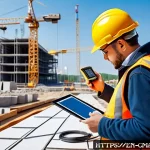
Walking through any bustling city, I often catch myself staring up at the towering buildings, truly marveling at their sheer scale. It always makes me think about the unseen heroes, like the Construction Materials Testing Technicians, whose meticulous work ensures every beam and bolt holds up.
Their expertise is paramount, especially as we push the boundaries of design and material science in an ever-changing climate. Then, my thoughts often shift to the silent, ever-present threat of fire.
It’s not just about meeting codes anymore; we’re talking about groundbreaking fire prevention technologies that literally differentiate between a minor incident and utter catastrophe.
From my own observations, the world of building safety is experiencing a dramatic shift. We’re no longer just testing for strength; we’re delving into the resilience of new smart materials and utilizing AI to predict material fatigue long before it becomes an issue.
Imagine automated drones scanning infrastructure for micro-fractures, or self-healing concrete that mends itself – it’s not science fiction, it’s the immediate future.
Similarly, in fire prevention, smart sensor networks and AI-driven early detection systems are becoming standard, offering response times that were once unimaginable.
This isn’t just theory; it’s tangible impact on our daily lives, ensuring the places we live, work, and play are safer than ever before. Let’s get into the specifics.
The Evolution of Structural Resilience: Beyond Simple Strength
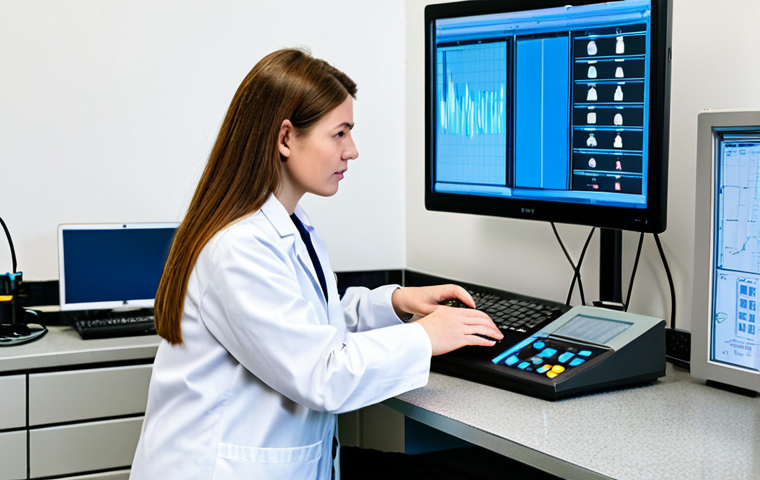
When I first started paying attention to how buildings are put together, I honestly thought it was all about strong concrete and steel. But what I’ve discovered, seeing it firsthand, is that modern construction material testing has moved light years beyond just basic tensile strength and compression tests.
We’re talking about deep dives into a material’s inherent ability to withstand not just static loads, but dynamic forces, extreme weather, and even corrosive environments over decades.
It’s no longer just about whether a beam *can* hold; it’s about how it *will* perform under relentless stress, thermal fluctuations, and even seismic activity.
I’ve personally watched technicians meticulously analyze samples for microstructure flaws that would have been completely undetectable just a few years ago, using advanced techniques like scanning electron microscopy or even neutron diffraction.
This isn’t just academic; it’s the difference between a structure that merely stands and one that endures, safeguarding lives and investments for generations.
It’s about building with an almost biological understanding of material fatigue and longevity, trying to anticipate every conceivable challenge a structure might face throughout its lifespan.
1. Advanced Material Diagnostics: Peering Inside
The tools available to today’s material testing professionals are nothing short of astounding. Gone are the days when a simple hammer test or visual inspection was considered adequate.
Now, we’re talking about ultrasonic testing that can map internal defects without ever touching the material, or ground-penetrating radar that reveals what lies beneath concrete without disturbing it.
I recall a project where they used thermography to detect moisture ingress in a facade, an issue that would have gone unnoticed until significant damage had occurred.
It’s truly a detective’s work, piecing together invisible clues to ensure absolute integrity.
- Non-Destructive Testing (NDT) Supremacy: Techniques like eddy current testing for metal components, magnetic particle inspection, and even acoustic emission monitoring are providing real-time insights into material health. It’s like having an MRI for a building, allowing us to pinpoint vulnerabilities before they escalate into major problems.
- Microstructural Analysis: The ability to analyze materials at a microscopic level, looking at grain structure, crystal formations, and even molecular bonds, offers an unprecedented understanding of how a material will behave under stress. This granular insight is critical for developing new, high-performance composites.
2. Performance-Based Design: Building for the Future
My experience has shown me that the shift towards performance-based design is revolutionizing how materials are chosen and tested. Instead of just meeting prescriptive codes, engineers are now designing structures to meet specific performance criteria under various scenarios – think extreme wind events, prolonged heatwaves, or even unexpected impacts.
This demands a much more dynamic and iterative testing process, often involving large-scale simulations and real-world mock-ups. It’s a proactive approach that ensures a building not only complies with regulations but genuinely performs above and beyond expectations when it truly matters.
Pioneering Fire Safety: From Reactive to Proactive Defense
The narrative around fire safety has undergone a profound transformation, moving from a reactive “put out the fire” mindset to an intensely proactive “prevent the fire and minimize its spread immediately” strategy.
It’s an area that truly highlights the human element – the sheer terror and devastation fire can unleash means there’s an almost desperate need for cutting-edge solutions.
I remember visiting a building that had implemented a new smart fire detection system; the level of detail it provided, from specific gas concentrations to thermal mapping of potential hotspots, was genuinely eye-opening.
This isn’t just about sounding an alarm anymore; it’s about understanding the incipient stages of a combustion event, often detecting anomalies hours or even days before a flame would ever appear.
The integration of advanced sensors, intelligent algorithms, and rapid response mechanisms is literally saving lives and preserving invaluable property on a scale that was previously unimaginable.
We’re now dealing with sophisticated networks that can communicate with emergency services, automatically adjust ventilation, and even deploy suppression agents with pinpoint accuracy.
1. AI-Driven Early Warning Systems: Predictive Power
The deployment of artificial intelligence in fire detection is a game-changer. AI systems, fed by data from myriad sensors – smoke, heat, flame, gas, and even CCTV – can analyze patterns that would be imperceptible to the human eye or even traditional detectors.
I’ve seen demonstrations where AI distinguished between cooking smoke and the very early stages of an electrical fire, preventing false alarms while ensuring genuine threats are identified with astonishing speed.
This predictive capability allows for interventions long before a situation becomes critical.
- Sensor Fusion and Data Analytics: By combining data from various sensor types, AI can build a comprehensive picture of the environment, reducing false positives and increasing the reliability of alerts. It’s like having a hyper-vigilant guardian constantly monitoring every corner.
- Behavioral Pattern Recognition: AI can learn the normal “breathing” patterns of a building – its typical heat fluctuations, air quality, and occupancy levels – to instantly flag anything out of the ordinary, often identifying subtle precursors to a fire incident.
2. Integrated Suppression and Containment: Multi-Layered Protection
Beyond detection, modern fire safety systems are about integrated containment and suppression. This means automated sprinkler systems that deploy with precision, fire doors that seal off zones, and ventilation systems that automatically adjust to remove smoke or contain it.
It’s a symphony of technologies working in concert. From my perspective, the key is the seamless communication between these systems, ensuring a coordinated response that minimizes damage and allows for safe evacuation.
It truly speaks to how far we’ve come from simply relying on a pull-station and a few scattered sprinklers.
The Unseen Architects: Ensuring the Integrity of Our Built Environment
It’s easy to walk past a construction site and only see the steel skeletons or the busy cranes, but beneath all that visible progress are the unsung heroes – the material testing technicians and the fire safety experts.
These individuals are the bedrock of confidence in our built environment. My own observations have shown me that their work isn’t just about technical specifications; it’s about deeply understanding the practical implications of every test, every code, every new material.
They possess a unique blend of scientific rigor and real-world pragmatism. Without their tireless efforts, the towering structures that define our cities, the homes where we raise our families, and the workplaces where we spend our days simply wouldn’t be as safe or as resilient.
They are the guardians of quality, often working in challenging conditions, ensuring that every bolt, every weld, and every fire suppression system functions exactly as intended.
Their expertise translates directly into the trust we place in our buildings every single day.
1. The Human Element in a Digital Age: Indispensable Expertise
While technology is undoubtedly transforming the field, the human element remains absolutely critical. AI can analyze data, but it’s the experienced technician who interprets anomalies, troubleshoots complex issues, and makes critical judgments based on years of accumulated knowledge.
I’ve seen seasoned pros spot subtle signs of material stress that no algorithm could yet detect, relying on a deep intuition cultivated over countless projects.
Their critical thinking, problem-solving abilities, and ethical responsibility are irreplaceable.
- Expert Interpretation: Raw data from sensors and tests needs expert interpretation. A human can understand context, site-specific challenges, and the broader implications of test results far beyond what current AI can manage.
- Hands-On Verification: Many tests still require meticulous hands-on execution and visual inspection, where a keen eye can detect nuances that automated systems might miss.
2. Continuous Learning and Adaptation: Staying Ahead of the Curve
The pace of innovation in materials science and safety technology means these professionals are perpetually learning. They are constantly updating their knowledge, undergoing new certifications, and mastering novel methodologies.
This commitment to continuous professional development is what truly sets them apart and ensures that our buildings are always at the forefront of safety and resilience.
It’s a field that demands intellectual curiosity and a relentless pursuit of improvement.
Tech at the Forefront: AI and Automation in Building Safety
We’re living in an era where technology isn’t just enhancing human capabilities; it’s actively reshaping entire industries. In building safety, the integration of AI and automation is nothing short of revolutionary.
I’ve personally been fascinated by discussions around automated drone inspections, where drones equipped with high-resolution cameras and thermal imaging sensors can autonomously scan vast structures, identifying hairline cracks or heat anomalies that would take days for human inspectors to find.
This isn’t just about efficiency; it’s about unparalleled precision and accessing areas that might be dangerous or impossible for humans to reach. Imagine AI algorithms processing petabytes of data from building sensors, not just in real-time, but also predicting future failure points based on historical performance and environmental factors.
This predictive maintenance is fundamentally changing how we approach infrastructure longevity and safety, shifting from reactive repairs to proactive prevention.
It represents a paradigm shift where machines assist, augment, and even lead in safeguarding our built environment.
1. Predictive Maintenance and Smart Monitoring: Future-Proofing Structures
The ability of AI to analyze vast datasets and identify subtle patterns means we can now predict potential issues long before they become critical. For instance, sensors embedded in concrete can monitor its curing process and long-term health, transmitting data to AI models that forecast deterioration.
This is incredibly powerful.
- Real-time Health Monitoring: Smart sensors can continuously monitor structural integrity, material stress, and environmental conditions, feeding data to AI systems that provide instant alerts and long-term trend analysis.
- Fatigue Prediction: AI models can learn from material behavior under stress and predict fatigue points, allowing for targeted maintenance or replacement before catastrophic failure.
2. Robotics and Autonomous Inspection: Reaching New Heights
The deployment of robotics and autonomous systems for inspection tasks is overcoming significant challenges related to access and safety. Drones, remote-operated vehicles (ROVs), and even robotic crawlers can inspect hard-to-reach areas of bridges, high-rises, or intricate piping systems, collecting data with incredible accuracy.
| Technology Aspect | Traditional Approach | Modern/AI-Enhanced Approach |
|---|---|---|
| Material Inspection | Manual visual checks, basic mechanical tests (e.g., rebar pull-out). | Ultrasonic, GPR, AI-powered drone scans, microstructural analysis. |
| Fire Detection | Basic smoke/heat detectors, manual pull stations. | AI-driven multi-sensor fusion, predictive analytics, thermal mapping. |
| Structural Monitoring | Periodic human inspection, limited sensor data. | Embedded smart sensors, continuous data streams, AI fatigue prediction. |
| Response Time | Relies on human observation and manual emergency calls. | Automated alerts to emergency services, localized suppression. |
| Maintenance Strategy | Reactive repairs after issues arise. | Predictive maintenance based on AI-forecasted material degradation. |
Sustainability Meets Strength: Eco-Conscious Construction Materials
It’s not just about strength and safety anymore; the conversation has expanded significantly to include environmental responsibility. From my viewpoint, one of the most exciting developments is the rise of sustainable construction materials that don’t compromise on integrity or safety.
We’re seeing innovations like “green concrete” that uses industrial waste products, or timber structures engineered for unprecedented strength and fire resistance.
The shift is palpable, driven by both regulatory pressures and a collective desire to minimize our carbon footprint. This isn’t merely a trend; it’s a fundamental re-evaluation of how we source, process, and utilize the very building blocks of our infrastructure.
The challenge lies in ensuring these eco-friendly alternatives meet the rigorous safety standards we’ve come to expect, and that’s where meticulous material testing becomes even more crucial.
It’s about building smarter, greener, and just as securely, if not more so.
1. Innovative Eco-Materials and Their Performance
The development of new sustainable materials, like self-healing concrete that repairs micro-cracks with embedded bacteria or bio-bricks made from agricultural waste, is truly inspiring.
My experience suggests that while their eco-benefits are clear, their performance and long-term durability require rigorous, specialized testing to ensure they can withstand the same stresses as their conventional counterparts.
- Recycled Content Integration: Utilizing recycled aggregates or industrial by-products in new materials significantly reduces waste and energy consumption, but demanding tests are needed to ensure consistent quality and strength.
- Bio-Inspired Materials: Materials that mimic natural processes, like self-healing properties or bio-luminescence, are emerging, offering groundbreaking potential for durability and reduced maintenance needs.
2. Life-Cycle Assessment: Beyond Initial Construction
A crucial aspect of sustainable construction is the life-cycle assessment (LCA) of materials, which considers their environmental impact from production to disposal.
This holistic view influences material choices, pushing for those with lower embodied energy and a smaller carbon footprint over their entire lifespan, all while maintaining the highest safety standards.
Navigating Regulatory Landscapes: Standards and Continuous Innovation
The world of building safety and material science isn’t static; it’s constantly evolving, driven by new discoveries, technological advancements, and the stark lessons learned from past incidents.
My observations consistently remind me how vital regulatory bodies and standardization organizations are in this landscape. They’re the ones ensuring that as innovation accelerates, safety doesn’t get left behind.
It’s a delicate balance: fostering groundbreaking new materials and technologies while simultaneously ensuring they meet stringent, often updated, safety codes.
This requires continuous dialogue between industry experts, researchers, and policymakers. I’ve seen how changes in building codes, often influenced by real-world events or cutting-edge research, ripple through the entire construction sector, demanding adaptation and a renewed commitment to safety from every professional involved.
1. Adapting to Evolving Building Codes and Standards
Building codes and international standards are living documents, constantly revised to incorporate the latest scientific understanding and best practices.
Professionals in material testing and fire safety must continuously update their knowledge and practices to remain compliant and ensure the highest safety levels.
- International Harmonization Efforts: There’s a growing trend towards harmonizing building codes globally, which simplifies international projects but also requires professionals to be aware of a broader range of standards and their nuances.
- Performance-Based Code Integration: Modern codes increasingly incorporate performance-based criteria, allowing for more flexible design solutions as long as specific safety objectives are met, which necessitates advanced testing and modeling.
2. The Role of Certification and Professional Accreditation
Certification and professional accreditation are paramount in establishing trust and ensuring competency in this complex field. When I see a technician with a specific certification, I know they’ve undergone rigorous training and met a high standard of expertise, which is crucial given the stakes involved in building safety.
These credentials offer a vital assurance to clients and the public alike that the work is being performed by qualified hands.
Closing Thoughts
As I reflect on the journey from basic strength tests to the sophisticated diagnostics and predictive AI we employ today, it’s clear that building safety and material science have undergone a breathtaking evolution.
The synergy between cutting-edge technology and invaluable human expertise is truly what underpins the resilience and integrity of our built environment.
It’s not just about creating structures that stand tall, but about crafting spaces that are inherently safe, sustainable, and capable of enduring the challenges of tomorrow.
This continuous pursuit of excellence, driven by innovation and a profound commitment to protecting lives, is what makes this field so profoundly important and endlessly fascinating.
Useful Information
1. Always ask for material certifications: When undertaking any construction or renovation, inquire about the certifications of the materials being used. Reputable suppliers and contractors should readily provide this, ensuring quality and compliance with safety standards.
2. Understand your local building codes: Even if you’re not a professional, having a basic grasp of local building codes can help you ask informed questions and ensure any work on your property meets necessary safety benchmarks.
3. Consider smart home safety devices: Beyond traditional smoke detectors, modern smart home systems can offer advanced fire and CO detection, water leak sensors, and even integrated surveillance, providing an extra layer of protection and peace of mind.
4. Prioritize regular structural inspections: Just like your car needs a regular check-up, your home or commercial property benefits from periodic structural assessments by qualified professionals, identifying potential issues before they become costly or dangerous problems.
5. Educate yourself on sustainable options: If you’re building or renovating, explore eco-friendly materials. Many are now rigorously tested to meet or exceed traditional safety standards while reducing environmental impact, offering a win-win for both safety and the planet.
Key Takeaways
The landscape of structural resilience and fire safety has transformed from basic strength and reactive measures to an advanced, proactive, and holistic approach.
Modern material testing employs sophisticated non-destructive and microstructural analyses to predict performance under extreme conditions. Fire safety is now driven by AI-powered early warning systems and integrated containment strategies, moving beyond simple alarms.
The indispensable human element—expert technicians and engineers—remains crucial, interpreting data and making critical judgments alongside technological advancements like predictive maintenance and autonomous inspections.
Finally, the industry is increasingly integrating sustainability, ensuring eco-conscious materials meet the highest safety standards, all while navigating and adapting to evolving regulatory frameworks.
Frequently Asked Questions (FAQ) 📖
Q: Given the increasing complexity of modern buildings and materials, how exactly are Construction Materials Testing Technicians adapting their work, beyond just basic strength tests?
A: From my own observations, their role has truly exploded in complexity. It’s no longer just about crushing a concrete cylinder to check its strength – though that’s still utterly vital, of course.
Nowadays, they’re genuinely at the forefront, grappling with things like advanced composite materials, specialized insulation for extreme energy efficiency, and even validating the structural integrity of massive green roofs or intricate solar panel installations.
They’re not just testing; they’re consulting, advising on material behavior under environmental stressors, and rigorously validating manufacturer claims for brand new, often unproven, materials coming onto the market.
It’s a whole different ballgame now, requiring constant learning and, frankly, an almost intuitive feel for how these cutting-edge materials will behave in the real world.
Q: You mentioned “smart materials” and “
A: I to predict material fatigue.” Could you elaborate on some real-world examples of how these seemingly futuristic technologies are actually being implemented now to make our buildings safer?
A2: Oh, this is where it truly gets exciting, and honestly, a bit mind-boggling sometimes when you see it in action. I mean, when I first heard about “self-healing concrete,” I thought it was something straight out of a Marvel movie, but I’ve actually witnessed pilot projects in places like California where micro-capsules within the concrete release a healing agent when tiny cracks form, literally mending themselves.
It’s phenomenal. And on the AI front, it’s not just abstract data. Imagine sophisticated sensor grids embedded in critical infrastructure, like a suspension bridge or a towering skyscraper, constantly feeding data to a central AI.
This AI learns the ‘normal’ vibrations, stresses, and even thermal expansion patterns. The moment it detects a subtle anomaly – a minute pattern shift indicating early fatigue or an impending issue, far too tiny for the human eye – it flags it instantly.
We’re talking about maintenance becoming truly predictive, not just reactive, saving colossal sums of money and, more importantly, countless lives.
Q: With all these advancements, especially in fire prevention, what’s one of the most significant, practical differences these new systems make in an emergency compared to older methods?
A: The difference is absolutely night and day, and it honestly hits home when you think about public safety in places where people gather. In the past, you primarily relied on smoke detectors and sprinkler systems, which are fundamentally reactive – they respond after a fire has already started and is producing smoke or heat.
Now, with AI-driven early detection systems, it’s like having an invisible, hyper-vigilant sentinel constantly monitoring everything. These systems use advanced algorithms to analyze data from multiple sensor types – not just basic smoke or heat, but also changes in air composition, subtle temperature shifts, and even the unique light spectrum of nascent flames.
They can differentiate between a burnt piece of toast in the breakroom and a genuine, developing threat within seconds, often before a flame is even visible to the human eye.
This means emergency services are alerted earlier, giving occupants precious extra minutes to evacuate safely and firefighters a critical head start. Those few minutes, my friend, can be the absolute difference between a minor, contained incident and a devastating, life-altering catastrophe.
It’s a game-changer for real.
📚 References
Wikipedia Encyclopedia
구글 검색 결과
구글 검색 결과
구글 검색 결과
구글 검색 결과
구글 검색 결과