In today’s fast-paced construction industry, technical expertise alone no longer guarantees success. As materials testers face increasing demands for accuracy, communication, and teamwork, mastering soft skills has become essential.
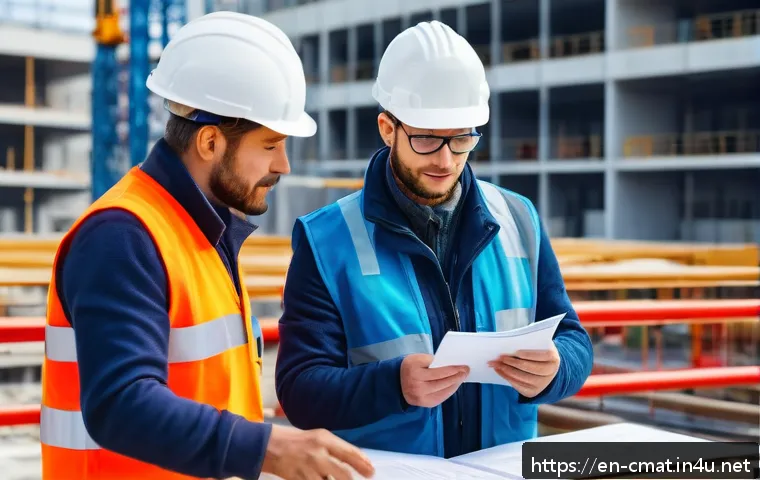
Whether you’re coordinating with engineers or reporting findings to clients, your ability to navigate interpersonal dynamics can make or break your career.
Let’s explore how honing these often-overlooked skills can set you apart and open doors to new opportunities in this competitive field. Stick around—you won’t want to miss these career-changing insights!
Building Bridges Beyond the Lab: Mastering Communication in Construction Testing
Translating Technical Jargon into Everyday Language
One of the biggest hurdles I’ve faced as a materials tester is breaking down complex testing results into clear, understandable terms for clients or non-technical team members.
It’s easy to get lost in the numbers and specialized vocabulary, but the real skill lies in simplifying those findings without losing accuracy. When I started actively focusing on this, I noticed meetings became far more productive, and clients appreciated the transparency.
It’s not just about relaying data; it’s about telling a story that stakeholders can grasp and trust. This ability can prevent misunderstandings that might otherwise cause costly project delays.
Active Listening as a Tool for Problem Solving
Active listening is often underrated, but it’s a game-changer when working with engineers, project managers, or field teams. I’ve learned that truly hearing what someone’s concerns or needs are—rather than just waiting for my turn to speak—helps me provide solutions that actually address the core issues.
This approach fosters collaboration and builds respect, which is invaluable in high-pressure environments. Plus, it saves time by cutting through miscommunication early on.
Crafting Clear and Impactful Reports
Writing reports is a major part of the job, but the challenge is making them not only accurate but also engaging and easy to follow. I found that using visuals, bullet points, and concise summaries at the start of reports keeps readers engaged and makes the information more accessible.
Over time, this has led to better feedback from clients and quicker approval processes, which directly supports project timelines and my professional reputation.
Staying Cool Under Pressure: Emotional Intelligence on the Job
Recognizing and Managing Stress in Yourself and Others
Construction sites are hectic, and delays or unexpected issues often trigger stress. I’ve personally seen how staying calm and composed can positively influence the whole team.
Developing emotional intelligence means being aware of your own emotional triggers and learning to manage them. It also involves noticing when colleagues are under pressure and offering support or stepping in to mediate conflicts.
This skill creates a more stable working environment and improves overall productivity.
Empathy as a Foundation for Stronger Teamwork
Empathy goes beyond just understanding someone’s feelings—it’s about genuinely valuing their perspective and challenges. When I started practicing empathy more consciously, my relationships with site workers and engineers improved dramatically.
They felt more comfortable sharing concerns and collaborating, which made problem-solving more efficient. This soft skill is particularly important when working with diverse teams where communication styles and cultural backgrounds vary widely.
Adapting to Change with a Positive Mindset
In construction testing, change is constant—new materials, regulations, or project scopes can shift overnight. I’ve learned that embracing these changes with flexibility rather than resistance helps me stay ahead.
This mindset not only reduces stress but also positions me as a proactive team member who can pivot quickly and suggest creative solutions when challenges arise.
Team Dynamics: Navigating Collaboration and Conflict
Building Trust through Reliability and Consistency
Trust is the glue that holds teams together, especially in environments where safety and precision are critical. I found that consistently delivering accurate results on time and communicating openly builds a reputation for reliability.
When teammates trust you, they’re more likely to share information freely and support you when unexpected issues come up. This mutual trust smooths out workflow and keeps projects moving forward.
Resolving Conflicts Constructively
Conflicts are inevitable, but how you handle them can either escalate or resolve tension. Early in my career, I noticed that avoiding conflicts led to bigger problems down the line.
Instead, I started addressing disagreements head-on but respectfully, focusing on facts rather than emotions. This approach helped maintain professional relationships and often uncovered underlying issues that, once resolved, improved team cooperation.
Encouraging Open Feedback and Continuous Improvement
Creating an environment where feedback flows freely benefits everyone. I encourage team members to share their ideas and concerns openly and do the same myself.
This transparency fosters continuous learning and improvement, which is crucial in a field where standards and technologies evolve rapidly. Over time, this culture of openness has helped our team innovate and avoid repeated mistakes.
Time Mastery: Prioritizing Tasks in a Demanding Field
Effective Planning Amid Unpredictability
Construction projects rarely go exactly as planned, so I’ve learned to build flexibility into my schedules. Prioritizing tasks based on urgency and impact ensures that critical tests get done on time, even when unexpected issues arise.
Using digital tools to track progress and deadlines also helps me stay organized and communicate realistic timelines to the team.
Managing Multitasking without Losing Focus
Juggling multiple testing assignments simultaneously is common, but it can be overwhelming. I discovered that focusing on one task at a time, rather than trying to do everything at once, actually improves efficiency and reduces errors.
Breaking down large projects into smaller, manageable steps keeps me on track and makes it easier to shift priorities when necessary.

Setting Boundaries to Prevent Burnout
In a fast-paced environment, it’s tempting to push yourself constantly. However, I’ve realized that setting clear boundaries—like defining work hours and taking regular breaks—maintains long-term productivity.
This balance helps prevent burnout and keeps my performance consistent over the long haul.
Communication Tools That Make a Difference
Leveraging Digital Platforms for Seamless Collaboration
Using apps and software designed for construction teams has transformed how I share results and coordinate tasks. Platforms like Procore or PlanGrid streamline communication and document management, making it easier to keep everyone on the same page.
I found that investing time upfront to master these tools pays off in smoother workflows and fewer miscommunications.
Visual Communication to Enhance Understanding
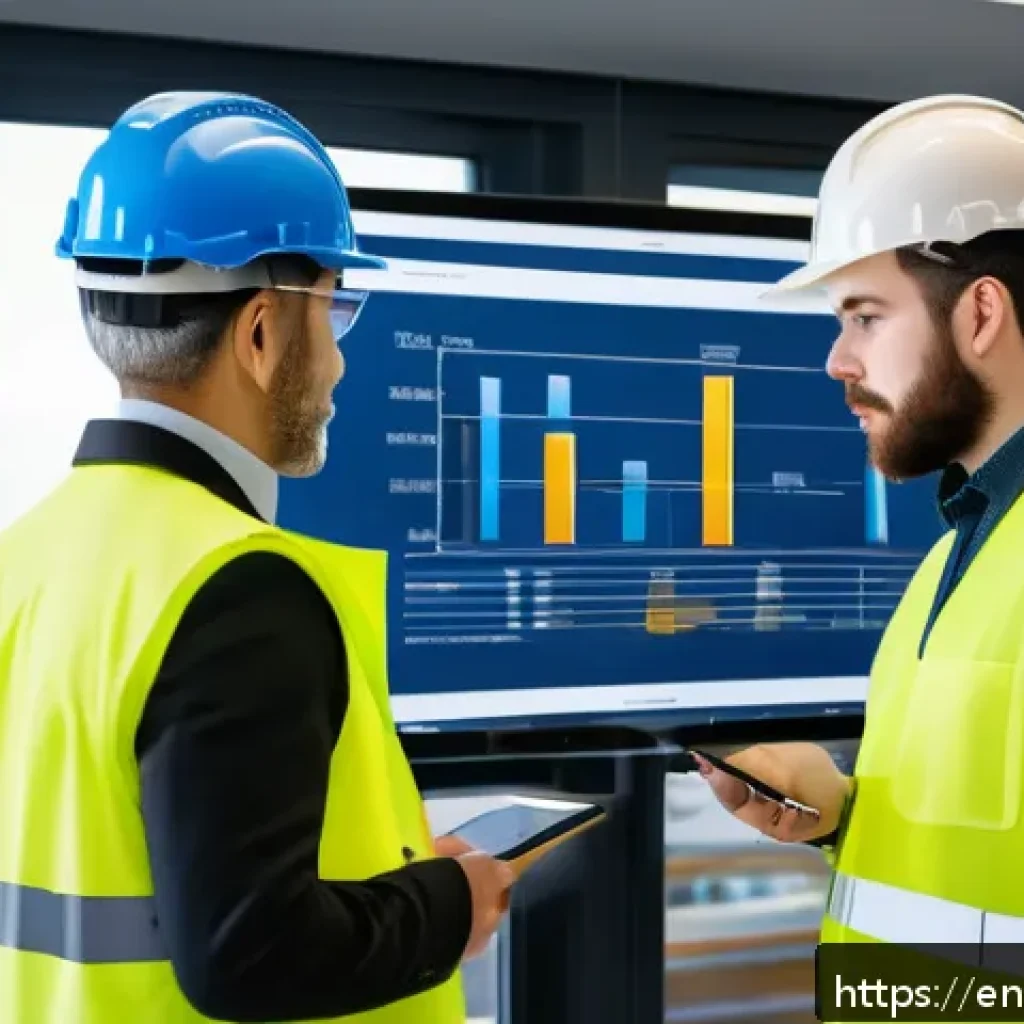
Pictures, charts, and videos often speak louder than words, especially when explaining complex testing processes or results. I make it a point to include annotated images or short clips in my reports and presentations.
This visual element helps clients and team members grasp key points quickly and reduces back-and-forth questions.
Tailoring Communication Style to Your Audience
Not everyone processes information the same way. When I communicate with engineers, I use detailed technical language; when talking to clients or non-technical stakeholders, I focus on big-picture impacts and practical takeaways.
Adapting your style based on who you’re addressing builds rapport and ensures your message lands effectively.
Soft Skills Impact on Career Growth and Opportunities
Standing Out in a Competitive Job Market
In my experience, technical skills get you through the door, but soft skills open the bigger opportunities. Employers look for testers who can lead, communicate, and adapt.
Demonstrating these abilities has led me to be considered for promotions and specialized projects that require more than just lab expertise.
Networking and Building Professional Relationships
Soft skills also play a huge role in networking. Attending industry events and engaging with peers becomes more fruitful when you can connect authentically and communicate your value clearly.
Over time, these relationships have provided me with mentorship, job leads, and collaborative projects that enriched my career.
Continuous Learning and Personal Development
Investing in soft skills is an ongoing journey. I make it a habit to seek feedback, attend workshops, and read about emotional intelligence, leadership, and communication.
This commitment not only improves my day-to-day work but also keeps me adaptable to industry changes and ready for new challenges.
| Soft Skill | Practical Application | Impact on Work | Personal Experience |
|---|---|---|---|
| Clear Communication | Translating test data for clients | Reduces misunderstandings and accelerates approvals | Clients appreciated simplified reports leading to smoother projects |
| Emotional Intelligence | Managing stress and empathy on site | Creates a calmer, more productive team environment | Helped mediate conflicts and support stressed colleagues |
| Time Management | Prioritizing critical tests and setting boundaries | Ensures deadlines are met without burnout | Improved work-life balance and consistent output |
| Digital Communication Tools | Using project management software | Enhances coordination and document sharing | Streamlined workflows and reduced miscommunications |
| Conflict Resolution | Addressing issues promptly and respectfully | Maintains professional relationships and team cohesion | Prevented escalation of disagreements, fostering collaboration |
In Closing
Mastering communication and emotional intelligence in construction testing goes beyond technical expertise. These skills enhance teamwork, reduce errors, and build trust among stakeholders. By continuously refining soft skills, you can navigate challenges more smoothly and contribute meaningfully to project success. Embracing these approaches has truly transformed my professional experience and effectiveness.
Helpful Insights
1. Clear communication bridges gaps between technical data and client understanding, preventing costly delays.
2. Active listening fosters genuine collaboration, enabling solutions that meet real needs.
3. Emotional intelligence helps manage stress and build a supportive work environment.
4. Utilizing digital tools streamlines workflows and keeps teams aligned.
5. Prioritizing tasks and setting boundaries maintains productivity without burnout.
Key Takeaways
Effective communication and emotional intelligence are essential for success in construction testing. Simplifying complex information, actively listening, and managing emotions improve collaboration and trust. Leveraging technology and strong time management skills ensures project efficiency. Developing these soft skills not only boosts career growth but also creates a healthier, more productive work atmosphere. Investing in these areas turns challenges into opportunities for innovation and leadership.
Frequently Asked Questions (FAQ) 📖
Q: uestionsQ1: Why are soft skills becoming increasingly important for materials testers in the construction industry?
A: While technical know-how remains crucial, soft skills like effective communication, teamwork, and problem-solving are now essential because materials testers often serve as the link between engineers, contractors, and clients.
Being able to clearly convey complex test results, collaborate smoothly under tight deadlines, and adapt to dynamic project demands significantly enhances job performance and career growth.
From my experience, those who develop these interpersonal skills stand out and build stronger professional relationships, which opens doors to leadership roles and new opportunities.
Q: How can I improve my communication skills to better report findings to clients and engineers?
A: Improving communication starts with understanding your audience—engineers may want detailed technical data, while clients often prefer clear summaries and practical implications.
Practice simplifying jargon without losing accuracy, and use visuals like charts or photos to illustrate key points. I found that rehearsing presentations and asking for feedback from colleagues really helped me gain confidence.
Also, active listening during meetings ensures you address concerns directly, which builds trust and credibility.
Q: What are some practical ways to develop teamwork skills in a high-pressure construction environment?
A: Teamwork thrives on mutual respect, open communication, and flexibility. In fast-paced settings, I learned the value of proactively sharing updates and asking for help when needed rather than struggling alone.
Participating in cross-functional meetings or informal team check-ins can boost collaboration. Also, showing appreciation for others’ efforts, even with a simple thank you, strengthens bonds.
Remember, a supportive team not only improves project outcomes but also makes daily work more rewarding and less stressful.