
Hey there, future guardians of our built environment! If you’re anything like me, passionate about ensuring every beam, every slab, and every inch of infrastructure stands the test of time, then you know how pivotal construction materials testing is.
It’s not just about mixing concrete or sifting soil; it’s about the very safety and integrity of our world, shaping the skylines and pathways we rely on daily.
Believe me, I’ve seen countless aspiring professionals, just like you, eager to dive into this incredibly rewarding field, but often overwhelmed by the sheer number of training options out there.
Picking the right academy for your Construction Materials Testing Technician certification isn’t just another checklist item; it’s a monumental decision that can truly catapult your career, whether you’re aiming for an ACI Concrete Field Testing Technician Grade I or a NICET certification in Asphalt or Soils.
From my experience observing the industry’s rapid evolution, with new materials and digital methodologies constantly emerging, getting top-tier, practical training and a recognized certification is more crucial than ever for securing those in-demand roles and staying ahead.
So, how do you cut through the noise and find that perfect fit that aligns with your career aspirations and the industry’s latest demands? Let’s accurately find out.
Beyond the Brochure: Unpacking the Curriculum Quality

The Depth of Practical Training Modules
When I first dipped my toes into the world of construction materials testing, I quickly realized that a glossy brochure or a fancy website could only tell you so much.
What truly matters is what’s under the hood of their curriculum. Are they just skimming the surface, or are they diving deep into the nitty-gritty of each test method?
I’ve seen academies that focus heavily on theoretical knowledge, which is good, don’t get me wrong, but it leaves you feeling a bit lost when you actually step onto a job site.
You need a program that dedicates substantial time to hands-on practice, allowing you to get comfortable with the equipment, understand the nuances of sample preparation, and interpret results accurately.
Think about it: when you’re out in the field, precision is everything. A good academy will have state-of-the-art labs that mirror real-world conditions, giving you that invaluable muscle memory for everything from slump tests to aggregate gradations.
It’s not just about passing an exam; it’s about building confidence in your abilities.
Keeping Up with Industry Standards and Innovations
The construction industry is a living, breathing entity, constantly evolving with new materials, technologies, and testing methodologies. What was cutting-edge five years ago might be old news today.
This is why scrutinizing an academy’s commitment to staying current is absolutely critical. I always recommend asking prospective schools how often they update their course materials and if their instructors are actively involved in the industry.
For example, the rapid advancements in self-consolidating concrete or new asphalt mixes require updated testing protocols. If an academy is still teaching techniques from a decade ago, you’re not getting the full picture, and frankly, you’ll be behind the curve before you even start.
A top-tier program will incorporate the latest ASTM, AASHTO, and other relevant standards into their teaching, preparing you for the challenges of today’s, and tomorrow’s, projects.
You want an education that’s not just current, but forward-looking, setting you up for long-term success in a dynamic field.
Certifications That Truly Count: A Deep Dive into Recognition
Navigating ACI vs. NICET: What’s Right for You?
Alright, let’s talk brass tacks: certifications. In our field, they’re not just pieces of paper; they’re your passport to professionalism and credibility.
The two big players, especially here in the U.S., are ACI (American Concrete Institute) and NICET (National Institute for Certification in Engineering Technologies).
I remember feeling a bit overwhelmed trying to figure out which path was right for me. ACI certifications, like the Concrete Field Testing Technician Grade I, are fantastic if you’re primarily focused on concrete, offering deep specialization.
They’re widely recognized and often a non-negotiable requirement for concrete-related roles. NICET, on the other hand, provides a broader spectrum of certifications across various disciplines like asphalt, soils, and even construction materials testing at different technician levels.
It’s more of a tiered system, allowing for progressive career growth. Your choice really boils down to your career aspirations. Are you looking to become a concrete guru, or do you want a more generalized, multi-faceted expertise that opens doors across different material types?
Both are incredibly valuable, but understanding their specific focuses is key to making an informed decision that aligns with your long-term goals.
The Value of Accredited Programs
Beyond the specific certification, the accreditation of the program itself holds immense weight. An accredited training program signals quality and adherence to recognized educational standards.
This isn’t just about prestige; it’s about ensuring the education you receive is robust and respected by employers. When an academy is accredited, it means they’ve undergone rigorous evaluations of their curriculum, instructor qualifications, facilities, and student outcomes.
Employers in the construction materials testing industry often look for candidates who have completed accredited programs because it provides a baseline of competency and professional preparation.
It tells them you’re not just guessing; you’ve learned from a credible source. From my perspective, choosing an accredited school streamlines your job search, as your qualifications are immediately recognizable and trusted.
It’s an investment in your future that pays dividends in career opportunities and professional respect.
Here’s a quick overview of some common certifications you might encounter:
| Certification Body | Key Focus Areas | Typical Career Impact | Initial Investment (Approx.) |
|---|---|---|---|
| ACI (American Concrete Institute) | Concrete Field Testing, Strength Testing, Aggregate Testing, Self-Consolidating Concrete | Specialized roles in concrete quality control, material supplier, or construction inspection. | $300 – $600 (per exam, varies by chapter/location) |
| NICET (National Institute for Certification in Engineering Technologies) | Asphalt, Concrete, Soils, Geotechnical Testing, Construction Materials Testing Technician (Levels I-IV) | Broader opportunities in engineering firms, government agencies, materials labs, and project management. Tiered advancement. | $100 – $250 (application fees, per level) |
| State DOT Certifications | Specific state requirements for highway/infrastructure projects; often include asphalt, concrete, and soils. | Essential for working on state-funded projects within that specific state. | Varies widely by state and specific test. |
Hands-On vs. Head-In-Books: The Practicality Factor
The Crucial Role of Lab Time and Field Experience
Let’s be real: you can read all the textbooks in the world, memorize every standard, and ace every written exam, but until you get your hands dirty, you’re not truly prepared.
From my own journey, I can tell you that the difference between understanding a concept in theory and executing it perfectly in practice is vast. This is where an academy’s commitment to extensive lab time and, even better, simulated field experience becomes a game-changer.
You need to be able to physically perform tests like slump, air content, and unit weight on concrete, or proctor density tests on soil, without hesitation.
My advice? Look for programs that boast a high instructor-to-student ratio during practical sessions. This ensures you get personalized feedback and enough opportunities to repeat tests until you’ve mastered them.
It’s not just about learning how to do it once; it’s about refining your technique so that when you’re on a multi-million dollar project, your work is impeccable and efficient.
Simulating Real-World Scenarios for Mastery
Beyond just performing individual tests, the best academies go a step further by simulating real-world job site scenarios. This might mean setting up a mock pour, complete with safety protocols and communication challenges, or having you conduct a series of tests under time pressure.
I remember one particular exercise where we had to test a “failing” concrete mix and then diagnose the potential issues – that kind of problem-solving experience is invaluable.
It teaches you how to think critically under pressure, how to troubleshoot, and how to document your findings accurately, which are all crucial skills for a successful testing technician.
These simulations help bridge the gap between the controlled environment of a classroom and the unpredictable nature of a construction site. It allows you to make mistakes in a safe learning space, ensuring you don’t make them when the stakes are high out in the field.
This immersive approach truly prepares you for the demanding, yet incredibly rewarding, daily life of a construction materials testing professional.
Location, Location, Location: Proximity and Professional Connections
Why Your Academy’s Network Matters
It’s easy to focus solely on the curriculum and certifications, but trust me, where your academy is located and the network it provides can significantly impact your career trajectory.
Think about it: an academy nestled within a vibrant construction hub is likely to have stronger ties with local engineering firms, contractors, and material suppliers.
These connections are gold! I’ve personally seen how students from well-connected programs often get first dibs on internships, mentorship opportunities, and even job openings that aren’t publicly advertised.
It’s not just about what you know, but often, who you know. Ask about their industry partnerships, guest speakers from local companies, and any alumni networking events.
A strong network can provide invaluable insights into regional market demands, help you land your first job, and even open doors for future career advancement.
It’s an often-overlooked aspect, but one that can make a huge difference in launching your career.
Exploring Local Job Market Ties
Beyond just the general network, delve into how the academy specifically ties into the local job market. Are their graduates consistently finding employment with reputable companies in the area?
Do local firms actively recruit from the program? This is where word-of-mouth and testimonials from recent graduates become incredibly powerful. I always tell aspiring technicians to look for schools that have a proven track record of placing their students in meaningful roles.
Some academies might even have formal partnerships with local businesses, offering externships or direct hiring pipelines. Understanding these local connections gives you a clear picture of your post-certification prospects.
It’s comforting to know that the skills you’re learning are directly applicable to the jobs available in your desired region, and that your chosen institution is actively working to help you secure one of them.
Remember, your goal isn’t just to get certified; it’s to get a great job, and a well-connected academy can be your biggest ally in achieving that.
The True Cost of Knowledge: Understanding Tuition and Hidden Fees
Beyond the Sticker Price: What to Budget For
Let’s talk money, because let’s face it, investing in your education is a big decision, and you need to know the full financial picture. The tuition fee you see advertised is often just the tip of the iceberg.
I’ve heard too many stories of students being caught off guard by unexpected costs, so let me give you some straight talk. Beyond tuition, you’ll likely encounter fees for textbooks, lab materials, certification exam fees (which can be substantial, especially for ACI and NICET exams), personal protective equipment (PPE), and even travel if the academy requires off-site training or uses specialized facilities.
Don’t forget living expenses if you’re relocating or commuting significant distances. Before you commit, get an itemized breakdown of *all* potential costs from the academy.
Ask specific questions about what’s included and what’s not. A transparent academy will be upfront about these figures, allowing you to budget accurately and avoid any unwelcome surprises down the line.
Scholarships, Financial Aid, and ROI Considerations
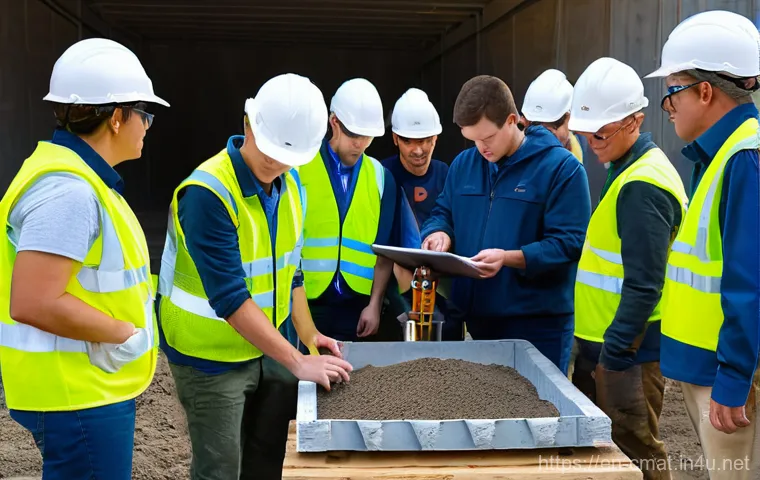
Don’t let the price tag deter you immediately; there are often pathways to make your education more affordable. Many reputable academies or industry associations offer scholarships specifically for construction materials testing programs.
It’s worth putting in the time to research these opportunities and apply – you never know until you try! Additionally, explore options for financial aid, grants, or even employer sponsorship if you’re already working in a related field.
Some companies are willing to invest in their employees’ professional development. Beyond these direct financial aids, consider the return on investment (ROI) of your certification.
A top-tier certification from a respected academy can significantly boost your earning potential and career prospects. While the initial outlay might seem high, the long-term benefits in terms of higher salaries, job security, and professional growth often far outweigh the upfront costs.
Think of it as investing in yourself, and a smart investment at that, especially in a field with such consistent demand for skilled professionals.
Post-Certification Pathways: Job Placement and Career Support
From Graduation to Geotech: Leveraging Career Services
Getting certified is a huge accomplishment, but what happens next? That’s where a robust career services department can truly shine. In my early days, I definitely underestimated the value of this.
An academy that merely hands you a certificate and sends you on your way is missing a crucial piece of the puzzle. Look for programs that actively assist with job placement, offering services like resume building workshops, interview preparation, and connecting you directly with employers.
Some even host career fairs or maintain job boards exclusive to their graduates. It’s not just about finding *a* job, but finding the *right* job that aligns with your skills and aspirations.
Having that support system to help you navigate the job market, articulate your value, and make those vital industry connections can accelerate your entry into the workforce and help you land a role that truly kick-starts your career in construction materials testing.
The Lifelong Learning Loop: Continuing Education Opportunities
The journey doesn’t end with your first certification; in a field as dynamic as construction materials testing, continuous learning is essential. The best academies understand this and often offer pathways for continuing education or advanced certifications.
Think about it: as technology evolves, so do the testing methods. You might start with ACI Grade I, but later want to specialize in NDT (Non-Destructive Testing) or pursue a higher NICET level.
Does the academy offer those advanced courses, or can they point you toward reputable resources? I always recommend looking for institutions that foster a culture of lifelong learning.
This might include workshops on new equipment, seminars on updated standards, or even alumni networks that facilitate knowledge sharing. Staying current not only enhances your expertise but also keeps your resume competitive, opening doors to promotions and more specialized, higher-paying roles down the road.
It’s about building a career, not just taking a course.
Learning from the Best: Instructor Expertise and Industry Credibility
Seeking Mentors, Not Just Teachers
Who teaches you is just as important as what they teach you. When evaluating academies, I always emphasize looking beyond just their teaching credentials.
Do the instructors have real-world, hands-on experience in construction materials testing? Are they seasoned professionals who have spent years in the field, facing the very challenges you’ll encounter?
Trust me, there’s a world of difference between learning from someone who can recite a textbook and someone who can tell you war stories from actual project sites, complete with practical tips and tricks they’ve learned through grit and experience.
These instructors aren’t just teachers; they become mentors, sharing invaluable insights that you won’t find in any manual. They can guide you through the nuances of tricky situations, offer advice on career paths, and even help you build your professional network.
Their personal anecdotes and practical wisdom will stick with you long after the course ends, shaping you into a more capable and confident technician.
The Importance of Active Industry Professionals
Even better, check if the instructors are still active within the industry. Do they attend conferences, participate in standards committees, or still consult on projects?
An instructor who is still actively engaged in the field brings the most current knowledge and trends directly into the classroom. They’re not just teaching history; they’re teaching the present and preparing you for the future.
For instance, an instructor who recently worked on a major infrastructure project can offer real-time examples of how new testing protocols were implemented or how specific material challenges were overcome.
This kind of up-to-the-minute perspective is invaluable. It ensures that the information you’re receiving isn’t just theoretically sound, but practically relevant and immediately applicable to the demands of modern construction.
An academy boasting a faculty of active industry professionals signals a strong commitment to providing cutting-edge, relevant education.
Decoding the Reviews: What Past Students Really Say
Scrutinizing Online Testimonials and Forums
Before making any big commitment, it’s always smart to do your homework, and that includes diving into what past students are saying. Online testimonials on the academy’s website are a start, but I always encourage people to dig deeper.
Head over to independent review sites, professional forums, and even social media groups related to construction materials testing. People tend to be much more candid and honest in these spaces.
Look for recurring themes: are students consistently praising the hands-on training, or are there frequent complaints about outdated equipment or disengaged instructors?
Pay attention to specific details rather than just broad statements. For example, a comment about “Mr. Johnson’s asphalt testing class being incredibly practical” is much more useful than a generic “great school.” This deep dive into student feedback can often reveal the true strengths and weaknesses of a program, giving you insights that the marketing materials simply won’t.
Connecting with Alumni: The Inside Scoop
Even better than reading reviews is directly connecting with alumni. Many academies will proudly provide contact information for former students who are willing to share their experiences.
If they don’t, try leveraging LinkedIn or industry specific groups to find graduates. A direct conversation can provide an unfiltered, insider perspective that is truly invaluable.
Ask them about the quality of instruction, the practical relevance of the curriculum, the effectiveness of their career services, and how well the certification prepared them for their current role.
Ask about the challenges they faced and what they would do differently. Their real-world experiences can offer clarity on whether an academy’s claims hold up in practice.
This personal connection not only helps you make a more informed decision but can also start building your professional network even before you enroll.
Trust me, hearing directly from someone who has walked the path you’re considering is one of the most powerful tools in your decision-making arsenal.
Wrapping Things Up
So, there you have it, my friends! Navigating the world of construction materials testing academies can feel like a massive undertaking, but I truly hope this deep dive has shed some light and made your decision-making process a whole lot clearer.
Remember, this isn’t just about picking a school; it’s about laying a solid foundation for your future career. Your commitment to thorough research now will pay off immensely down the road, setting you up for success in a field that’s not only vital but incredibly rewarding.
Handy Tips to Keep in Mind
1. Always prioritize practical, hands-on training when evaluating programs. Textbooks are great, but real-world experience in a well-equipped lab is where your skills truly get honed. Ask about instructor-to-student ratios during practical sessions!
2. Deeply investigate the certifications offered – ACI and NICET are big players, but understanding which one aligns with your specific career goals (e.g., concrete specialization vs. broader CMT) is crucial for your long-term success.
3. Don’t just look at the tuition; get a full, itemized breakdown of all potential costs, including exam fees, materials, and even personal protective equipment (PPE). Budgeting effectively from the start will save you a lot of stress.
4. Tap into the academy’s network and local job market ties. Strong connections with industry professionals and a proven track record of job placement can significantly boost your career launch and future opportunities.
5. Seek out instructors with genuine field experience who can serve as mentors, not just teachers. Their real-world anecdotes and practical wisdom are invaluable and will elevate your learning beyond any textbook.
Key Takeaways for Your Journey
To truly excel in construction materials testing, your educational journey needs to be multifaceted. Focus on academies that offer robust, current curricula with a strong emphasis on practical, hands-on training in real-world scenarios.
Ensure they provide certifications recognized and respected by the industry, like ACI or NICET, and that the programs themselves are accredited for quality assurance.
Don’t overlook the importance of an academy’s industry connections and job placement support, as these are critical for kick-starting your career. Finally, plan your finances meticulously, considering all costs, and remember that investing in quality education from experienced, industry-active instructors is an investment in your long-term professional growth and earning potential.
This field demands continuous learning, so choose an institution that fosters that mindset from day one.
Frequently Asked Questions (FAQ) 📖
Q: What are the absolute must-have certifications for a construction materials testing technician, and how do they actually help my career grow?
A: Oh, great question! This is where so many folks get a little lost, and believe me, I’ve seen it firsthand. When you’re looking to really make your mark in this field, there are a couple of certifications that are pretty much universally recognized and incredibly valuable.
First up, the ACI Concrete Field Testing Technician – Grade I. If you’re going to be touching concrete in any capacity – which, let’s be real, you probably will – this one is non-negotiable.
It shows employers you know your stuff when it comes to taking samples, slump tests, air content, and temperature. It’s like the foundational cornerstone of your resume!
Then, depending on your specific career path, NICET certifications are huge, especially in areas like asphalt, soils, or even structural steel. NICET (National Institute for Certification in Engineering Technologies) offers various levels, and securing one, particularly in a specialized area, can seriously open doors.
I’ve personally seen candidates with their NICET III in Soils, for instance, command much higher salaries and get snapped up for lead roles on major projects.
What do these actually do for your career? Well, beyond just proving your competency, they signal to potential employers that you’re serious, you’re trained to industry standards, and you’re committed to quality.
It makes you incredibly marketable. I mean, who would you rather hire: someone who just says they know how to test concrete, or someone with a shiny ACI card that proves it?
It’s a no-brainer! These certifications are your golden tickets to better jobs, better pay, and more responsibility. Trust me, investing in them pays dividends for years.
Q: With so many different training academies out there, what’s the real secret to picking the best one that will truly set me up for success in this dynamic industry?
A: Ah, the million-dollar question! It’s true, the landscape of training providers can feel a bit like a jungle out there, and I totally get how overwhelming it can be.
From my vantage point, watching countless individuals navigate this journey, the “secret sauce” isn’t just about the cheapest price or the closest location.
It really boils down to three core things:First, look for a program with experienced, active instructors. I can’t stress this enough. You want someone who isn’t just reciting textbook definitions but can tell you war stories from the field, share real-world troubleshooting tips, and give you insights into the latest project challenges.
I remember one instructor I learned from, who had over 30 years in quality control for major infrastructure projects – his anecdotes alone were worth the tuition!
These are the folks who bring the material to life and give you that crucial practical context. Second, prioritize hands-on experience and practical application.
Certification exams are important, yes, but this job is incredibly hands-on. A top-tier academy will have dedicated lab facilities, quality equipment, and ample time built into the curriculum for you to actually do the tests, not just read about them.
You should be mixing concrete, running gradations, compacting soil, and feeling confident with the equipment before you even think about the exam. If an academy only focuses on rote memorization, that’s a red flag in my book.
Finally, check their success rate and industry reputation. Do they have strong connections with local engineering firms, testing labs, or construction companies?
Do their former students consistently pass certification exams and find good jobs? A little digging on LinkedIn or asking around in industry forums can reveal a lot.
A program that’s truly respected within the industry will not only give you excellent training but often opens doors to networking and job opportunities you might not find otherwise.
It’s an investment in your future, so choose wisely!
Q: Beyond just getting certified, what specific hands-on skills should I expect a high-quality training program to teach me to ensure I’m truly job-ready on day one?
A: This is such a critical point because passing an exam is one thing, but walking onto a job site feeling confident and competent? That’s gold! From my experience talking to hiring managers and observing new technicians, what truly makes you “job-ready” goes way beyond just memorizing standards.
A high-quality training program, one that I’d personally recommend, will drill down into these practical skills:First off, mastery of proper sampling techniques.
This might sound basic, but it’s fundamentally important. Learning how to take a truly representative sample of concrete, asphalt, or soil directly impacts the accuracy of all subsequent tests.
I’ve seen projects go sideways because of improper sampling leading to skewed results – it’s that vital! You should leave your training knowing exactly how to collect, handle, and transport samples correctly every single time.
Secondly, troubleshooting and identifying common issues in the field. The real world isn’t always textbook perfect. Materials might not behave as expected, equipment can malfunction, or environmental conditions might throw a wrench into things.
A great program will prepare you for these curveballs. They’ll teach you not just what to do, but why, and how to think critically when something looks off.
For example, understanding why concrete slump might be too high or too low, and what immediate steps to take. Finally, and this is often overlooked, effective documentation and communication.
Your ability to accurately record data, interpret results, and clearly communicate findings (or potential issues) to project managers, engineers, and even contractors is paramount.
A good program will emphasize meticulous record-keeping, report writing, and even mock scenarios where you practice conveying crucial information. Trust me, being able to articulate a problem or a critical finding clearly can be just as important as the test itself.
It’s about being a well-rounded professional, not just a testing machine!