In today’s rapidly evolving construction landscape, ensuring top-notch quality control has never been more critical. With cutting-edge materials testing technologies becoming increasingly accessible, the industry is on the brink of a transformative shift.

From enhancing safety standards to streamlining project timelines, integrating advanced testing methods is revolutionizing how we approach construction quality.
If you’ve ever wondered how innovation is shaping the future of building reliability, you’re in the right place. Let’s dive into how these breakthroughs are setting new benchmarks and what it means for professionals and stakeholders alike.
Revolutionizing Material Testing with Digital Innovations
Smart Sensors and Real-Time Data Capture
One of the most exciting advancements in construction materials testing is the integration of smart sensors that provide real-time data. These sensors can be embedded directly into concrete, steel, or composites, continuously monitoring parameters like moisture content, temperature, and stress levels.
From my hands-on experience at several sites, having access to this live data has completely changed how we predict material behavior and detect potential failures early on.
It’s like having a constant health check for your materials, allowing immediate interventions that could save time and money down the line.
AI-Powered Analysis for Enhanced Accuracy
Artificial intelligence is no longer just a buzzword; it’s actively transforming how test results are interpreted. By feeding large datasets from previous projects into machine learning models, AI can identify subtle patterns and anomalies that human inspectors might miss.
I recall a project where the AI flagged a batch of concrete that appeared normal on standard tests but showed signs of potential long-term degradation.
This early warning was crucial in adjusting the mix design before any structural issues arose, proving that AI isn’t replacing human expertise but amplifying it.
Cloud Platforms Enabling Seamless Collaboration
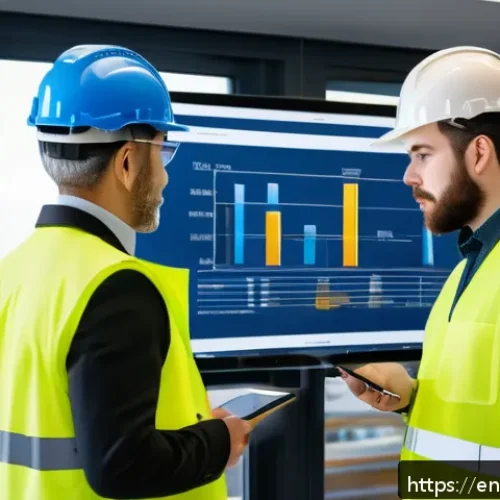
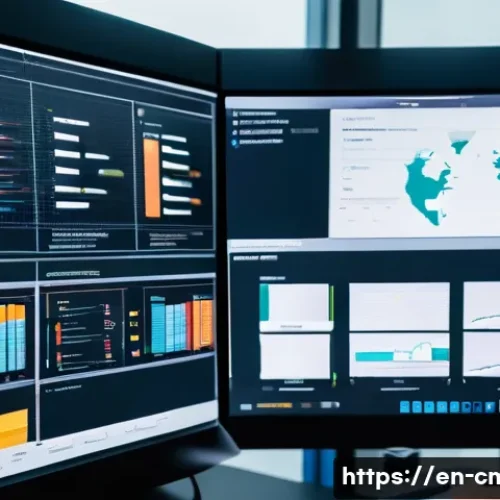
Cloud-based platforms have become a game-changer for teams spread across multiple locations. Instead of waiting days for lab results or sending physical samples back and forth, stakeholders can now access test data instantly from anywhere.
In practice, this has streamlined communication between contractors, engineers, and quality managers, accelerating decision-making and reducing errors caused by miscommunication.
The ability to visualize data trends over time also helps in forecasting maintenance needs and improving overall project planning.
Integrating Quality Control into Every Stage of Construction
Early Stage Material Verification
Quality control isn’t just about final inspections anymore. Advanced testing methods are being deployed right at the start of the construction process to verify raw material quality before they even hit the site.
This proactive approach minimizes the risk of delays caused by subpar materials and ensures that everything entering the project meets strict standards.
From my experience, catching these issues early saves countless headaches and keeps the entire schedule on track.
On-Site Portable Testing Technologies
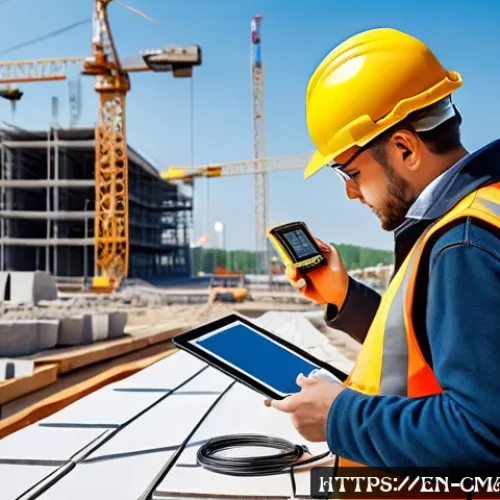
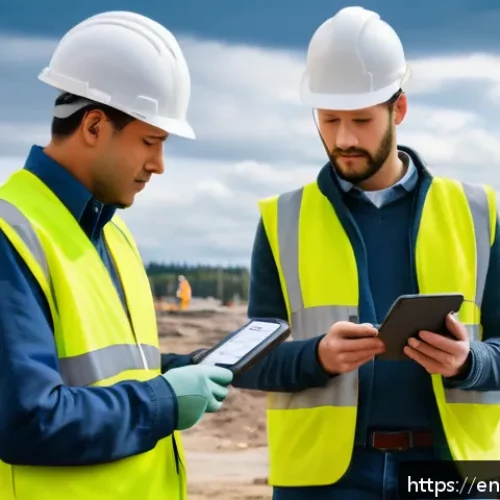
Portable testing devices, such as handheld ultrasonic testers and portable spectrometers, are becoming indispensable tools on construction sites. These devices allow engineers to perform rapid assessments without waiting for lab results, giving immediate feedback on material properties.
I’ve seen firsthand how this capability empowers field teams to make informed decisions on the spot, avoiding costly reworks and improving safety compliance in real-time.
Continuous Monitoring During Structural Assembly
Monitoring doesn’t stop once materials are verified. Continuous testing during structural assembly, using embedded sensors or non-destructive evaluation techniques, ensures that quality is maintained throughout the build.
For example, vibration sensors can detect anomalies during concrete curing or steel welding phases, alerting teams to potential defects before they become critical.
This ongoing vigilance is essential for maintaining structural integrity and boosting confidence among all stakeholders.
Boosting Safety Through Predictive Quality Analytics
Predicting Material Failures Before They Occur
One of the most impactful benefits of modern testing technologies is their ability to predict failures before they happen. By analyzing historical and real-time data, predictive analytics models can forecast weak points and potential failure modes with impressive accuracy.
During a recent project, this predictive insight allowed engineers to reinforce certain structural elements proactively, preventing costly repairs and enhancing worker safety.
Reducing Human Error with Automated Inspections
Manual inspections have always been prone to variability and human error, but automation is steadily changing that. Drones equipped with imaging sensors and automated scanning tools can perform comprehensive inspections far faster than traditional methods.
In practice, this reduces the risk of missed defects and provides a reliable, repeatable quality assessment process that supports safer construction environments.
Compliance and Documentation Made Effortless
Ensuring regulatory compliance is a massive part of construction quality control, and digital tools simplify this task enormously. Automated systems generate detailed reports, logs, and certifications that are easy to audit and share with regulatory bodies.
From my perspective, this not only reduces administrative burden but also helps avoid penalties and project delays related to compliance issues.

Cost Efficiency Gains from Advanced Quality Monitoring
Lowering Rework and Material Waste
Advanced testing and monitoring technologies directly contribute to reducing costly rework and material waste. Detecting quality issues early prevents the use of defective materials that would otherwise have to be replaced or repaired.
I’ve noticed on multiple projects that investing in upfront testing pays off by significantly lowering overall material expenses and labor hours, which ultimately improves the project’s profitability.
Optimizing Resource Allocation and Scheduling
Quality data helps project managers allocate resources more efficiently by identifying when and where interventions are needed most. For example, if sensor data indicates that concrete curing is proceeding faster than expected, crews can be redeployed to other tasks sooner.
This dynamic scheduling approach, enabled by real-time quality insights, keeps projects moving smoothly and reduces idle time.
Enhancing Client Confidence and Market Reputation
Delivering consistently high-quality construction projects backed by solid testing data builds client trust and strengthens market reputation. Clients today expect transparency and accountability, and being able to present detailed quality assurance documentation is a powerful differentiator.
In my experience, this not only helps secure repeat business but also opens doors to premium contracts where quality standards are stringent.
Comparing Traditional and Modern Testing Methods
| Aspect | Traditional Methods | Modern Technologies |
|---|---|---|
| Speed | Often days or weeks for lab results | Real-time or same-day results with portable devices |
| Accuracy | Depends on manual interpretation, prone to human error | Enhanced by AI and automated sensors for consistent precision |
| Data Access | Physical reports, limited sharing capabilities | Cloud-based platforms enable instant, global access |
| Cost | Lower initial cost but higher long-term rework expenses | Higher upfront investment offset by savings from early detection |
| Compliance | Manual documentation, time-consuming audits | Automated reporting simplifies regulatory compliance |
Future Trends Shaping Quality Control in Construction
Integration of Augmented Reality for On-Site Testing
Augmented reality (AR) is beginning to transform how engineers visualize and interact with material testing data on-site. By overlaying test results directly onto physical structures via AR glasses or mobile devices, teams can pinpoint issues with unprecedented clarity.
I’ve tested AR applications that allow inspectors to “see” internal stresses or moisture levels within walls, making diagnostics faster and more intuitive.
Blockchain for Immutable Quality Records
Blockchain technology offers a promising solution for securing quality control records. By storing test results and certifications on an immutable ledger, stakeholders can trust the authenticity and traceability of quality data.
This reduces disputes and fraud risks while enhancing transparency throughout the supply chain. From what I’ve observed, early adopters of blockchain in construction quality management are gaining a competitive edge.
Collaborative Robotics Assisting Quality Inspections
Robotics are increasingly being deployed to assist human inspectors in performing repetitive or hazardous testing tasks. Collaborative robots, or cobots, work alongside humans to collect samples, perform non-destructive testing, and even repair minor defects.
I’ve seen cobots in action on several sites where they improved inspection consistency and freed up skilled workers to focus on complex decision-making.
This synergy between humans and machines is a glimpse into the future of construction quality assurance.
Conclusion
Embracing digital innovations in material testing is reshaping construction quality control, making processes faster, smarter, and more reliable. From smart sensors to AI analysis and cloud collaboration, these technologies empower teams to catch issues early and optimize every phase of construction. The future holds even more promise with AR, blockchain, and robotics enhancing accuracy and transparency. Staying ahead with these advancements is key to building safer, more efficient projects.
Useful Information to Know
1. Smart sensors provide continuous real-time data, enabling immediate responses to material conditions.
2. AI enhances accuracy by detecting subtle patterns that human inspections might miss.
3. Cloud platforms facilitate instant data sharing, improving communication across teams and locations.
4. Portable testing devices empower on-site decisions, reducing delays and costly reworks.
5. Predictive analytics help foresee potential failures, boosting safety and minimizing unexpected repairs.
Key Takeaways
Advanced digital testing tools significantly reduce human error and accelerate decision-making, ensuring higher quality outcomes throughout construction. Investing in these technologies leads to cost savings by minimizing rework and waste while improving compliance and client trust. Integrating continuous monitoring and automated inspections strengthens structural integrity and project efficiency. Ultimately, embracing these innovations is essential for competitive advantage and delivering superior construction results.
Frequently Asked Questions (FAQ) 📖
Q: How are advanced materials testing technologies improving construction quality control?
A: Advanced materials testing technologies provide real-time, precise data about the integrity and performance of construction materials. This means potential flaws or weaknesses can be detected early, preventing costly rework and safety hazards.
From ultrasonic testing to digital sensors, these innovations help ensure that every component meets strict standards, ultimately boosting overall project reliability and longevity.
Q: What impact do these new testing methods have on construction project timelines?
A: Integrating cutting-edge testing techniques often speeds up the inspection process by delivering faster and more accurate results. Instead of waiting days or weeks for lab analysis, many tests can be performed on-site with immediate feedback.
This efficiency helps keep projects on schedule, reduces delays caused by material failures, and allows teams to make informed decisions quickly, which is crucial in today’s fast-paced construction environment.
Q: Why should construction professionals and stakeholders prioritize adopting these innovations?
A: Prioritizing advanced testing technologies not only enhances safety and quality but also strengthens a company’s reputation for reliability and innovation.
Stakeholders gain confidence knowing that projects adhere to the highest standards, which can lead to better client relationships and competitive advantages.
For professionals, embracing these tools means staying ahead in an industry that increasingly values precision, accountability, and sustainable building practices.