7 Proven Tips for Construction Material Testers to Master Customer Communication Skills

webmaster

건설재료시험 기술자의 고객 응대 방법 - A professional office meeting scene showing a confident construction materials technician explaining...

Interacting effectively with clients is a crucial skill for construction material testing technicians. Beyond technical expertise, clear communication builds trust and ensures project success.

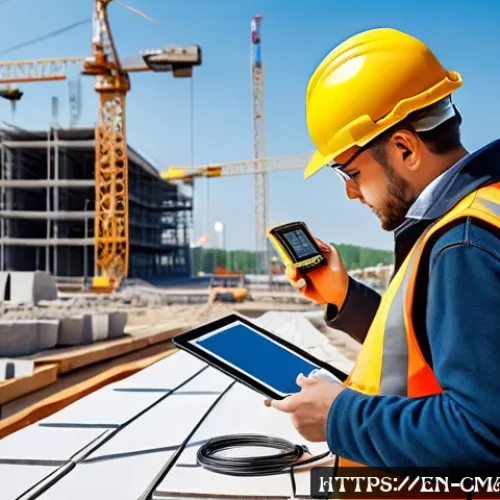
건설재료시험 기술자의 고객 응대 방법 관련 이미지 1

Clients often rely on these professionals to provide accurate, timely information, making customer service just as important as lab results. Developing empathy and patience can turn routine exchanges into lasting partnerships.

If you want to enhance your client relations and stand out in this specialized field, you’re in the right place. Let’s dive deeper and explore the best approaches to customer engagement in this industry!

Mastering Clear and Concise Communication

Breaking Down Technical Jargon

When talking to clients, especially those who might not be familiar with construction material testing, it’s tempting to dive straight into technical terms.

However, I’ve found that using simple, relatable language can make a huge difference. Instead of saying “compressive strength exceeds ASTM standards,” try something like “the material is strong enough to meet the industry’s safety requirements.” This approach helps clients feel included and confident in the information you’re sharing, rather than overwhelmed or confused.

It’s about translating complex data into everyday language without diluting the accuracy.

Active Listening as a Game-Changer

I can’t stress enough how powerful active listening is during client interactions. When clients express concerns or ask questions, really tuning in and reflecting back what they said shows respect and understanding.

For example, if a client is worried about delays, acknowledging their frustration and providing clear timelines helps build trust. This isn’t just about hearing words but reading the tone and body language, which often reveal unspoken needs.

Over time, clients appreciate technicians who don’t just talk at them but truly engage in a two-way conversation.

Setting Expectations Early and Clearly

From my experience, one of the biggest causes of frustration is unclear expectations. Right at the start, laying out what clients can expect in terms of testing timelines, report delivery, and possible contingencies prevents misunderstandings down the line.

Be honest about potential delays or challenges, and explain how you plan to handle them. This upfront transparency often reduces follow-up calls and emails, freeing you to focus on delivering quality results while clients feel assured that their project is in good hands.

Advertisement

Building Empathy and Patience in Every Interaction

Understanding Client Stress and Pressure

Clients in construction projects are often juggling tight schedules and budgets, which can make them anxious. When a client calls with concerns or complaints, I remind myself that their frustration usually isn’t personal; it’s stress spilling over.

Responding with patience, rather than defensiveness, helps de-escalate situations. Sometimes just saying, “I understand how important this is to you,” can ease tension and open the door to a more productive dialogue.

Empathy builds bridges that technical skills alone can’t.

Handling Difficult Conversations Gracefully

Not every client conversation is smooth sailing. Whether it’s delivering bad news about failed tests or explaining delays, maintaining composure is key.

I’ve learned that preparing for these talks with facts, but also a calm tone and respectful attitude, makes a big difference. Offering solutions or alternatives shows clients you’re proactive and invested in their success, not just reporting problems.

It’s a skill that grows with experience but is worth cultivating early on.

Recognizing and Celebrating Small Wins

Sometimes, it’s easy to overlook positive moments when the focus is on problem-solving. Taking the time to acknowledge progress or successful test results reinforces client confidence and strengthens relationships.

A simple, “Great news, the batch passed all tests ahead of schedule!” can brighten a client’s day and make them feel valued. These moments also create a positive atmosphere, making future interactions more collaborative and enjoyable.

Advertisement

Organizing Information for Maximum Client Clarity

Using Visual Aids to Enhance Understanding

I’ve noticed clients respond really well when data is presented visually rather than buried in dense text. Charts, graphs, and color-coded tables can turn a complicated report into something accessible at a glance.

When I prepare results, I often include a summary table highlighting key metrics alongside clear explanations. This not only saves time during meetings but also helps clients make informed decisions faster.

Visual tools are like a universal language that bridges gaps in technical knowledge.

Providing Timely Updates Without Overwhelming

Clients want to be kept in the loop but can get overwhelmed by too many emails or calls. Striking a balance is crucial. I recommend setting a communication schedule upfront — for example, weekly progress emails and immediate alerts for critical issues.

This keeps clients reassured without bombarding them. Plus, having a consistent update rhythm builds a professional image and reduces the chances of misunderstandings or surprises.

Encouraging Questions and Feedback

No matter how clear you think you are, clients will have questions. Creating an environment where they feel comfortable asking for clarification can prevent small doubts from turning into big problems.

I always invite questions at the end of reports or meetings and emphasize that no question is too minor. Feedback is equally important — it helps tailor your communication style to each client’s preferences and shows that you value their input.

Advertisement

Leveraging Technology to Enhance Client Interactions

Utilizing Project Management Tools

In my experience, adopting project management platforms like Procore or Buildertrend can streamline communication with clients. These tools centralize schedules, documents, and messages, making it easier to share test results and updates in real-time.

Clients appreciate having access to everything in one place rather than chasing emails. Plus, it adds a layer of accountability and transparency that strengthens trust.

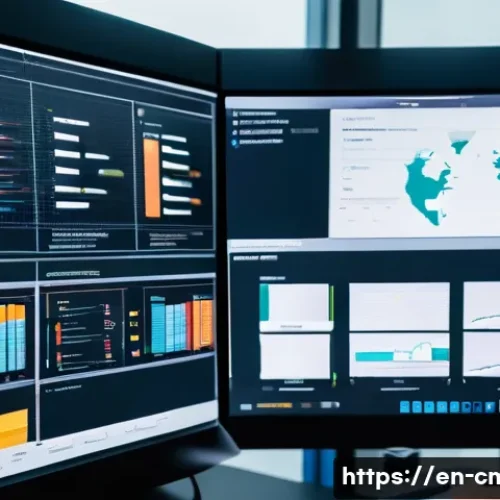
건설재료시험 기술자의 고객 응대 방법 관련 이미지 2

Remote Reporting and Virtual Meetings

Especially after the rise of remote work, video calls and digital reports have become invaluable. I’ve found that virtual meetings allow for face-to-face interaction even when on-site visits aren’t possible.

Screen sharing test data or walking through reports live can clear up confusion instantly. Remote reporting tools also enable faster turnaround times, which clients really value when timelines are tight.

Automating Routine Communications

Automation doesn’t mean losing the personal touch. Setting up automated notifications for routine updates, like test completion or report availability, saves time and keeps clients informed consistently.

It frees you to focus on more complex conversations and builds a dependable communication flow. Just make sure to personalize key messages to maintain that human connection.

Advertisement

Turning Client Feedback into Continuous Improvement

Collecting Feedback Systematically

After each project phase, I make it a point to ask clients for feedback on the communication process and overall experience. This can be through quick surveys or informal chats.

The insights gained help identify areas where communication might be unclear or where clients want more detail. It’s a simple habit that can drastically improve client satisfaction over time.

Adapting Communication Styles to Client Preferences

Not all clients are the same — some prefer detailed written reports, others want quick phone updates. By paying attention to these preferences, you can tailor your approach for each client.

I once worked with a client who hated lengthy emails but appreciated brief texts with key points. Adjusting to their style made our interactions smoother and more effective.

Implementing Changes and Following Up

Feedback is only useful if acted upon. When I identify a communication gap, I try to implement changes quickly and then check back with the client to ensure their concerns have been addressed.

This cycle of listening, acting, and verifying demonstrates commitment and helps build long-term partnerships.

Advertisement

Essential Soft Skills Beyond the Lab

Developing Emotional Intelligence

Emotional intelligence plays a huge role in how you connect with clients. It’s about being aware of your own emotions and managing them, as well as recognizing and responding to the emotions of others.

For instance, staying calm when a client is upset and responding with empathy rather than frustration can turn a potentially negative interaction into a constructive one.

Time Management in Client Relations

Balancing lab duties with client communication requires strong time management. I’ve found that blocking out specific times in my day to return calls or draft updates keeps me organized and prevents communication from slipping through the cracks.

It also shows clients that their concerns are a priority, which strengthens trust.

Building a Professional Yet Approachable Persona

Clients want to feel like they’re dealing with an expert who is also approachable and trustworthy. Striking this balance comes from being confident in your knowledge while remaining humble and open.

Sharing small personal anecdotes or showing a sense of humor during conversations can make interactions more relatable and memorable.

Communication Strategy Benefits Example
Using Simple Language Enhances client understanding and confidence Explaining material strength in everyday terms
Active Listening Builds trust and uncovers hidden concerns Reflecting client worries about project delays
Visual Data Presentation Makes complex data accessible Including charts and color-coded tables in reports
Scheduled Updates Prevents information overload Weekly progress emails plus immediate alerts
Feedback Collection Drives continuous improvement Post-project surveys and follow-up calls
Leveraging Tech Tools Streamlines communication and transparency Using project management software
Emotional Intelligence Improves conflict resolution Responding empathetically to client frustration
Advertisement

Conclusion

Effective communication is the cornerstone of successful client relationships, especially in technical fields. By simplifying complex information, actively listening, and using the right tools, you can build trust and foster collaboration. Patience and empathy go a long way in easing client concerns and creating positive experiences. Ultimately, clear and thoughtful communication leads to stronger partnerships and better project outcomes.

Advertisement

Useful Information to Keep in Mind

1. Simplify technical terms to make information accessible and build client confidence.
2. Practice active listening to truly understand client concerns and respond effectively.
3. Use visual aids like charts and tables to present data clearly and save time.
4. Maintain a consistent communication schedule to keep clients informed without overwhelming them.
5. Collect and act on client feedback to continually improve your communication approach.

Advertisement

Key Takeaways

Clear communication requires balancing technical accuracy with simplicity to ensure clients feel informed, not overwhelmed. Building empathy and patience helps manage stressful interactions and fosters trust. Organizing information visually and leveraging technology enhances clarity and efficiency. Finally, adapting communication based on client preferences and feedback ensures a personalized and professional experience that strengthens long-term relationships.

Frequently Asked Questions (FAQ) 📖

Q: How can construction material testing technicians improve communication with clients who have little technical knowledge?

A: The key is to simplify complex information without being condescending. I’ve found that using everyday analogies or visual aids helps clients grasp test results better.
Instead of bombarding them with jargon, focus on what the data means for their project’s safety and timeline. Also, encouraging questions and actively listening makes clients feel valued and reassured.

Q: What strategies help build trust between testing technicians and clients during a project?

A: Consistency and transparency are game changers. From my experience, delivering test results promptly and explaining any unexpected findings honestly fosters trust.
Showing empathy when clients express concerns and following up regularly—even if just to update on progress—demonstrates reliability. Small gestures like these create long-term partnerships beyond just a single project.

Q: How should technicians handle difficult or impatient clients during testing phases?

A: Patience and empathy are essential. I once dealt with a client frustrated by delays caused by weather affecting sample collection. Instead of reacting defensively, I acknowledged their concerns and explained the reasons calmly.
Offering alternative solutions or timelines when possible helps ease tension. Remember, staying professional and understanding turns a stressful interaction into a positive experience.

📚 References


➤ Link

– Google Search

➤ Link

– Bing Search

➤ Link

– Google Search

➤ Link

– Bing Search

➤ Link

– Google Search

➤ Link

– Bing Search

➤ Link

– Google Search

➤ Link

– Bing Search

➤ Link

– Google Search

➤ Link

– Bing Search

➤ Link

– Google Search

➤ Link

– Bing Search

➤ Link

– Google Search

➤ Link

– Bing Search
Advertisement