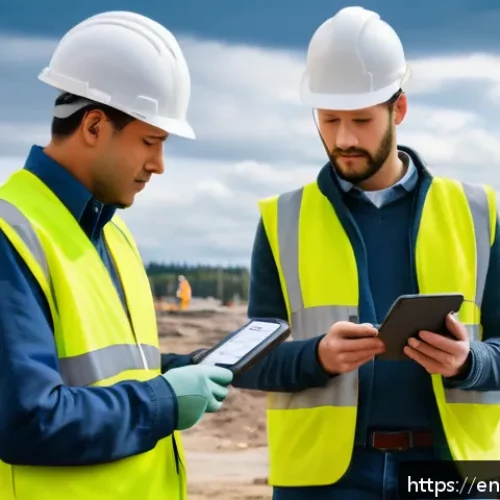
The Future Is Now Essential Trends for Construction Material Testing Engineers

webmaster

건설재료시험기사와 관련된 산업 동향 - **Prompt: The Sustainable Materials Engineer**
    "A bright, modern laboratory bathed in natural li...

Hey there, fellow builders and innovators! You know, sometimes we walk past towering skyscrapers or drive over magnificent bridges and hardly give a second thought to the unsung heroes who ensure these structures stand strong.

I’m talking about the incredible folks in construction material testing – the true guardians of structural integrity. It’s a field that might sound a bit niche, but let me tell you, it’s buzzing with innovation and rapid change right now.

From the massive push for sustainable, eco-friendly materials to the rise of AI-powered analysis and smart infrastructure, the landscape for construction material testing technicians is evolving faster than ever before.

I’ve been keeping a close eye on these shifts, and what I’m seeing is a blend of traditional expertise meeting cutting-edge technology, demanding a whole new skill set.

It’s not just about breaking concrete cylinders anymore; it’s about understanding complex data, embracing digital tools, and predicting performance under extreme conditions.

If you’re in this space, or thinking about joining, you’re in for an exciting ride. Ready to uncover the real game-changers shaping this vital industry?

Let’s dive deep and get you fully up to speed on what’s truly happening out there.

Rethinking Our Footprint: The Sustainable Materials Movement

건설재료시험기사와 관련된 산업 동향 - **Prompt: The Sustainable Materials Engineer**
    "A bright, modern laboratory bathed in natural li...

Okay, let’s kick things off by talking about something that’s close to all our hearts: our planet. The construction industry has, for a long time, been a massive consumer of resources and a significant contributor to waste. But, oh man, are things changing! We’re seeing this incredible surge in sustainable materials, and it’s not just a trend; it’s a fundamental shift in how we build. Engineers are tirelessly working to develop and integrate eco-friendly alternatives into every aspect of construction, from the foundations to the finishing touches. This means we’re dealing with everything from recycled steel and fly ash in concrete to sustainably sourced wood products, all designed to lessen our environmental impact. I’ve personally been fascinated watching the evolution of these materials, witnessing how what was once considered waste is now being transformed into a vital component of future structures. It’s not just about what we use, but how we use it, and how we ensure it performs just as well, if not better, than its traditional counterparts. This whole movement requires us to re-evaluate our testing methodologies and push the boundaries of what’s possible, ensuring that these innovative materials meet stringent safety and performance standards for structures that last.

Embracing Eco-Friendly Alternatives

When I think about the sheer variety of eco-friendly materials popping up, it’s truly inspiring. We’re talking about everything from concrete mixes that incorporate industrial by-products like fly ash, which significantly reduces the need for virgin cement, to advanced composites made with recycled fibers. Even sustainable wood products, ensuring that timber comes from responsibly managed forests, are becoming a standard. Testing these materials isn’t just about compression or tensile strength anymore; it’s about understanding their lifecycle impact, how they interact with the environment over decades, and whether they genuinely offer long-term sustainability benefits. For example, when I was involved in a project recently, we spent weeks validating a new type of recycled aggregate. The initial data looked promising, but ensuring its long-term stability and performance under various weather conditions required a level of detail that traditional methods just couldn’t provide. It’s a rewarding challenge, knowing you’re contributing to a greener future.

Challenges and Opportunities in Green Material Testing

Honestly, testing sustainable materials comes with its own unique set of hurdles. These materials often behave differently from conventional ones, sometimes reacting chemically at varying rates or having complex internal structures due to their recycled content. This means that while traditional mechanical tests like compression, tensile, impact, hardness, and fatigue tests are still foundational, we also need rapid chemical testing techniques for on-site quality checks. We’re also seeing a huge opportunity here for advanced imaging tools like scanning electron microscopes and micro-computed tomography. These aren’t just fancy gadgets; they let us peer into the microstructure of materials, understanding how recycled fibers are distributed in composites and how these features influence overall strength and durability. It’s a continuous learning curve, but it’s pushing us to be more innovative in our approach to testing and validation, fostering a balance between comprehensive tests, evaluation costs, and ensuring structural safety and reliability.

The Brains Behind the Build: AI and Machine Learning in Testing

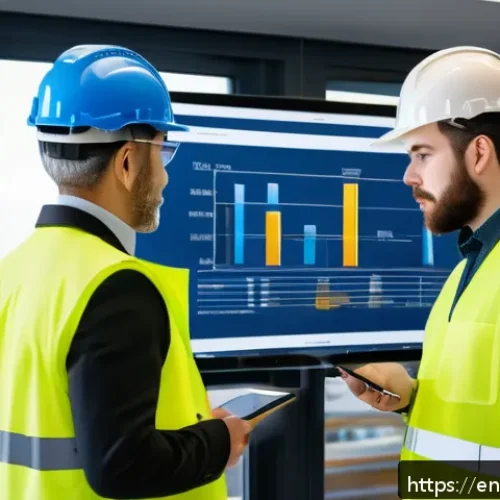
If you’ve been in this industry for any length of time, you’ve probably heard the buzz about AI and machine learning. Well, let me tell you, it’s not just buzz anymore – it’s fundamentally reshaping how we approach material testing. The sheer volume of data we generate from tests these days is staggering, and trying to make sense of it all manually can be time-consuming and, frankly, prone to error. That’s where AI and ML step in. These algorithms are like super-detectives, sifting through massive datasets, identifying patterns, and making predictions that would be impossible for a human eye to catch. I’ve personally seen how AI can process stress-strain curves, thermal properties, and chemical compositions in a fraction of the time it used to take, giving us insights that were previously hidden in the noise. It’s freeing up our teams to focus on the truly complex problem-solving and material design, instead of getting bogged down in repetitive data analysis. It’s a game-changer for enhancing accuracy, precision, and efficiency across the board.

Predictive Analytics in Material Performance

One of the coolest applications I’ve seen is in predictive modeling. Imagine being able to forecast a material’s tensile strength, hardness, or even corrosion susceptibility just by knowing its composition and how it’s processed. AI models are now being trained to do exactly that, allowing us to optimize material selection for specific applications without having to do extensive, costly physical testing. For instance, I recall a project where we used ML models to predict the fatigue life of a new composite material. The simulations, powered by historical data and AI, gave us incredibly accurate forecasts, allowing the engineers to refine the material design much faster than if we had relied solely on physical fatigue tests. It’s like having a crystal ball for material behavior, and it’s accelerating innovation in aerospace, construction, and energy sectors by reducing risks and development time.

Automating Data Analysis and Reporting

Let’s be real, who enjoys sifting through reams of data and compiling lengthy reports? Not me! This is another area where AI and ML are absolute lifesavers. They can automate repetitive tasks like data analysis and report generation, drastically cutting down on time and costs. Automated systems can analyze sensor measurements, images, and historical records, making precise predictions and even identifying complex patterns that we might miss. Think about it: a lab that used to take days to generate a comprehensive material performance report can now do it in hours, with greater accuracy. This not only speeds up project delivery but also ensures that the engineering team on-site gets vital information faster, leading to quicker decision-making and interventions. I’ve found this particularly beneficial for projects with tight deadlines, as it provides that crucial edge in efficiency.

Advertisement

The Digital Shift: Beyond Paper and Pencils

Remember the days when lab benches were piled high with paper logs and test reports? Man, those times feel ancient now! We’re firmly in a digital age, and construction material testing is no exception. The move towards digitalization isn’t just about saving trees; it’s about transforming how we manage information, improve workflows, and make data accessible in real-time. We’re seeing widespread adoption of digitally-integrated testing systems that offer increased throughput and drastically lower the chance of human error. It’s a fundamental step towards creating a ‘paperless’ culture, which honestly, makes everyone’s lives easier and contributes significantly to environmental goals. This shift ensures that data collected from testing instruments is automatically integrated, analyzed, and shared securely, allowing for more in-depth analysis and driving further technological advancements in the field.

Integrated Platforms and Real-time Monitoring

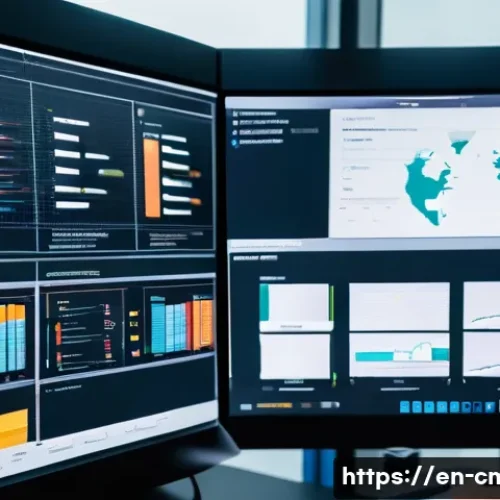
One of the biggest game-changers for me has been the rise of integrated laboratory information management systems (LIMS) and real-time monitoring platforms. Instead of chasing down physical reports or waiting for manual data entry, results are now often captured directly from testing instruments and immediately transferred to a central system for calculation and analysis. This means engineers and project managers can literally monitor material performance from anywhere, getting instant updates on structural health and identifying potential issues long before they become critical failures. I was on a bridge construction project where embedded sensors were continuously feeding data into an IoT-enabled platform. We could see, in real-time, how the concrete was curing and responding to environmental factors. It was truly mind-blowing to have that level of immediate insight, allowing us to make proactive decisions and adjust plans on the fly. This capability is becoming crucial for ensuring the safety and reliability of complex civil infrastructure over its entire lifespan.

The Power of Digital Twins

If you haven’t heard of digital twins yet, get ready, because they’re a huge part of our future. Think of it as a virtual replica of a physical asset – in our case, a building or a bridge – that continuously receives real-time data from its physical counterpart through a network of sensors. This allows us to simulate material behavior under various conditions, predict wear and tear, and even schedule maintenance proactively. For example, by creating a digital twin of a new skyscraper, we can continuously monitor the performance of its structural materials. If a sensor detects unusual stress patterns or micro-cracks, the digital twin can predict the potential impact and suggest interventions before any visible damage occurs. It’s about shifting from reactive maintenance to predictive, and it saves immense amounts of time, money, and potentially, lives. The ability to integrate AI with IoT devices for continuous, in-situ material testing is really going to push this technology into the mainstream.

Building for Tomorrow: The Rise of Smart Structures

It’s not just the testing methods that are getting smarter; the structures themselves are evolving! We’re entering an era where buildings and infrastructure are no longer passive entities but actively “aware” of their own condition. This is the realm of smart structures, where materials are embedded with sensors and intelligence, fundamentally changing what we test and how we monitor long-term performance. The goal is simple: ensure safety and reliability by continuously gathering data to detect damage early and prevent catastrophic failures. This concept is especially vital for critical infrastructure like bridges, dams, and even historical buildings, where continuous monitoring can provide invaluable insights into their health and longevity. It’s a fascinating blend of materials science, electronics, and civil engineering, making our cities not just bigger, but inherently safer and more resilient.

Sensor-Integrated Materials and Monitoring

The core of smart structures lies in their ability to self-sense. This is achieved by embedding advanced sensors directly into the construction materials themselves. We’re talking about piezoelectric sensors, fiber optic sensors, and even self-sensing composites that can detect changes in stress, strain, temperature, and even the presence of corrosion. I’ve seen some incredible prototypes where concrete elements are cast with these tiny, almost invisible sensors that constantly report on their internal state. This real-time data stream allows for continuous structural health monitoring (SHM), providing an immediate picture of the structure’s integrity and performance. It’s a huge leap from periodic, manual inspections. This technology enables early damage detection, vibration control, and distributed monitoring, giving engineers an unprecedented level of control and insight into the lifespan of their creations.

Performance-Based Design Validation

With smart structures, our testing shifts from simply verifying material properties to validating overall structural performance over time. This means moving towards performance-based design, where materials are not just tested for their individual strength but for how they contribute to the system’s dynamic response and long-term durability. This involves using SHM systems to gather real-time strain values and other crucial parameters, then assessing the health status of the infrastructure based on that data. It’s a multi-stage process: first, detecting the global occurrence of damage, then classifying the types of damage by recognizing patterns, and finally, estimating its severity. This approach is truly transformative, ensuring that our designs are not just robust on paper, but proven resilient in the real world under diverse operating conditions. It’s a constant feedback loop between the material, the structure, and its environment.

Advertisement

Robotics and Automation: A New Era of Efficiency

건설재료시험기사와 관련된 산업 동향 - **Prompt: AI-Powered Predictive Material Testing**
    "A sophisticated, near-futuristic control roo...

I can’t talk about the future of construction material testing without gushing a little about robotics and automation. For anyone who’s spent hours manually preparing samples or running repetitive tests, the idea of a robotic arm taking over is nothing short of revolutionary! Automation in testing isn’t just about speed; it’s about consistency, precision, and significantly reducing human error. This is particularly critical in industries that demand high volume throughput and extreme quality control, like biomedical, infrastructure, and aerospace. The integration of high-precision robotic arms and computer vision analysis means that entire testing processes can be fully automated, from sample registration to testing and result classification. This frees up skilled technicians to focus on more complex analysis and problem-solving, rather than getting bogged down in routine, repetitive tasks. I’ve seen it firsthand; a fully automated system can optimize test procedures, reduce safety risks, and ultimately, provide a significant return on investment through improved efficiency and fewer test failures.

Automated Sample Preparation and Analysis

The preparation of material samples can be a painstaking, time-consuming process, and any inconsistency here can throw off an entire test. This is where robotic systems truly shine. They can perform tasks like precise cutting, grinding, and polishing of samples with incredible accuracy and repeatability, often exceeding human capabilities. I remember a project where we were testing pipeline samples; traditionally, it involved tedious thermal cutting by hand, saw-cutting to specific sizes, and then machining for the final test specimen. Now, with robotic cutting arms using plasma arc torches, those sawing processes are eliminated, and test areas are removed with previously impossible precision. This level of automation extends to the analysis phase too, with robots handling the loading and unloading of specimens into testing machines and even performing initial data inputs. It ensures that every single specimen is handled identically, leading to much more reliable and accurate test results.

Drones and Remote Inspection

Beyond the lab, automation is taking to the skies! Drones and other unmanned aerial vehicles (UAVs) are rapidly becoming indispensable tools for remote inspection of structures, especially those that are difficult or dangerous for humans to access. Imagine inspecting a towering bridge or a wind turbine blade for cracks or corrosion without needing scaffolding or precarious climbs. Drones equipped with high-resolution cameras, thermal imaging, and even ultrasonic sensors can collect vast amounts of visual and performance data from structures, feeding it back for analysis. I recently saw a demonstration where a drone autonomously navigated around a large concrete structure, performing a visual inspection and highlighting areas of concern using AI-powered image analysis. This significantly improves safety for our inspection teams, reduces costs, and speeds up the entire inspection process, making it possible to cover large areas much more efficiently and regularly.

Non-Destructive Testing (NDT) Goes Next-Gen

Okay, let’s talk about NDT. It’s always been foundational, right? Testing materials without damaging them – pure genius! But “traditional” NDT is evolving at an incredible pace. We’re moving beyond basic ultrasonic or radiographic principles to highly specialized techniques that leverage digital imaging, automation, and high-frequency sensors to detect even the smallest defects with exceptional precision. The goal here is not just to find flaws, but to understand them, predict their progression, and ensure the longevity of our structures without causing any harm to the material itself. This is critical for assessing the integrity of existing infrastructure, extending asset life, and adhering to ever-increasing safety regulations. Honestly, it’s thrilling to see how these advanced methods are offering greater accuracy, deeper analysis, and increased efficiency, especially in demanding sectors like oil & gas, aerospace, and of course, construction.

Advanced Imaging and Sensing Techniques

The advancements in NDT are truly mind-blowing. We’re now seeing techniques like Phased Array Ultrasonic Testing (PAUT), which uses multiple ultrasonic elements to steer sound beams, allowing us to scan materials much more comprehensively and detect complex defects in welds, pipes, and structural components. Then there’s Time of Flight Diffraction (TOFD), which measures the travel time of diffracted waves for incredibly accurate defect detection and sizing. Digital Radiography (DR) offers faster image acquisition and higher resolution than its film-based predecessors, and even Computed Tomography (CT) is being used to create detailed 3D images of internal structures. I’ve used infrared thermography myself to detect temperature variations on surfaces, which can reveal hidden defects like leaks, cracks, or corrosion. It’s like having X-ray vision, allowing us to peer inside materials and structures without breaking a sweat – or the material!

Early Detection for Extended Lifespans

The real power of advanced NDT isn’t just in finding defects; it’s in finding them early. Techniques like Acoustic Emission Testing (AET) can detect the acoustic waves generated by crack propagation within materials, enabling real-time structural integrity monitoring. This means we can identify developing defects *before* they reach critical failure points, allowing for proactive interventions and significantly extending the operational lifespan of bridges, pipelines, and other vital infrastructure. This proactive approach not only enhances safety but also translates into substantial cost savings by minimizing downtime and reducing expensive, large-scale repairs. When I think about the long-term sustainability of our infrastructure, this ability to get ahead of problems is absolutely invaluable. It’s moving us towards a future where structural failures become incredibly rare occurrences.

Advertisement

Upskilling Our Workforce: What It Takes to Thrive Today

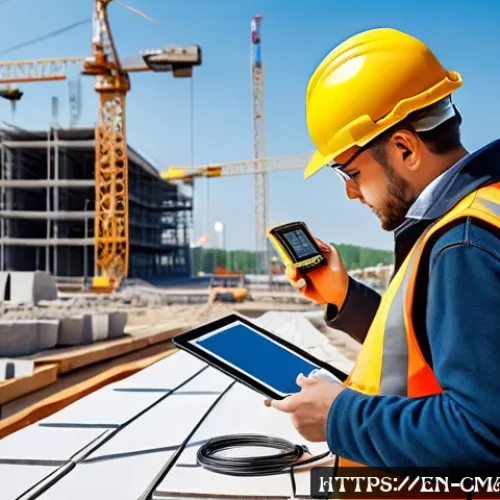
With all these incredible technological advancements, you might be thinking, “What about us, the people?” And you’d be right to ask! The role of a construction material testing technician is evolving dramatically, and staying at the forefront means embracing a continuous learning mindset. It’s no longer just about knowing how to operate a specific piece of equipment or meticulously record data; it’s about interpreting complex results, utilizing new software, and adapting to ever-changing technologies. The industry is looking for individuals with a blend of traditional hands-on expertise and cutting-edge digital literacy. From what I’ve observed, the successful technicians of today and tomorrow are those who are proactive in acquiring new skills, curious about innovation, and comfortable with data-driven decision-making. It’s a challenging, but incredibly rewarding path, demanding strong analytical skills, attention to detail, and excellent communication to convey findings effectively.

Bridging the Digital Skill Gap

The shift towards automation, AI, and digital platforms means there’s a growing need for technicians who are comfortable with digital tools and data analytics. We need folks who can not only perform the physical tests but also understand how to use Laboratory Information Management Systems (LIMS), interpret data from AI-powered analyses, and even troubleshoot automated equipment. This isn’t just about learning a new software; it’s about a fundamental change in how we interact with information and technology. I’ve seen many experienced technicians, who initially felt overwhelmed by the tech, embrace training programs and come out stronger, realizing that these tools actually make their jobs easier and more impactful. Certification in specific software or advanced NDT techniques is becoming increasingly valuable on a resume. It’s an exciting time to upskill, and there are so many resources available now for continuous education, which I always encourage my team to explore.

A Focus on Critical Thinking and Problem Solving

While automation handles the repetitive tasks, the human element becomes even more crucial for critical thinking and complex problem-solving. Machines can collect data and highlight anomalies, but it’s the technician’s analytical skills that interpret those anomalies, identify root causes, and suggest solutions. We’re often dealing with unique challenges in the field – unexpected material behavior, unusual environmental conditions, or data that just doesn’t quite fit the model. This is where strong judgment and decision-making skills come into play. I’ve found that the best technicians are those who can connect the dots, applying their understanding of engineering science, math, chemistry, and physics to real-world situations. They’re not just following a script; they’re actively looking for ways to improve processes, troubleshoot issues, and contribute to safer, more durable construction. It’s a role that demands continuous active learning and a genuine passion for understanding how things work.

Evolution of Construction Material Testing: Then vs. Now

Aspect Traditional Methods (Past) Modern Methods (Present/Future)
Data Collection Manual recording, paper logs Automated sensors, digital capture, IoT integration
Analysis Manual calculations, human interpretation AI/ML algorithms, predictive modeling, big data analytics
Reporting Physical reports, slow distribution Electronic reports, real-time sharing, LIMS
Material Focus Conventional (concrete, steel, asphalt) Sustainable, smart materials, composites
Testing Environment Primarily lab-based Lab-based, on-site, remote monitoring
Efficiency & Accuracy Variable, prone to human error High precision, repeatability, reduced error

Wrapping Things Up

Wow, what a journey we’ve been on together, exploring the incredible evolution of construction material testing! It’s truly inspiring to see how this vital field is embracing sustainability, harnessing the power of AI and digital tools, and continuously pushing the boundaries of what’s possible. As someone who’s been deeply immersed in this world, I can tell you that the future of our built environment hinges on these innovations and the dedicated professionals who bring them to life. Remember, every skyscraper, every bridge, every piece of infrastructure relies on the meticulous work done in material testing, ensuring they stand strong and safe for generations to come. It’s an exciting time to be part of an industry that’s not just building structures, but building a better, more resilient future.

Advertisement

Useful Information to Know

1. Sustainable materials like recycled aggregates and fly ash are rapidly gaining traction, not just for their eco-benefits but also for their impressive performance under new testing regimes. They’re changing how we think about construction, demanding fresh approaches to how we validate their longevity and strength.

2. AI and Machine Learning are no longer buzzwords; they’re revolutionizing data analysis, enabling predictive modeling that saves immense time and resources, and allowing us to foresee material performance with astonishing accuracy. It’s like having a superpower for understanding complex material behavior.

3. The digital transformation, including LIMS and real-time monitoring, means less paper and more precision. This shift is making data instantly accessible and enhancing collaboration, ensuring that critical information reaches engineers faster than ever before, truly streamlining projects.

4. Smart structures, embedded with advanced sensors, are becoming the norm. These intelligent buildings and bridges can monitor their own health, signaling potential issues long before they become visible, offering unprecedented safety and extending their operational lifespans significantly.

5. Upskilling is key! For technicians, embracing digital literacy, understanding AI outputs, and focusing on critical thinking are crucial. The industry needs adaptable professionals who can blend traditional hands-on expertise with cutting-edge technological understanding to thrive.

Key Takeaways

If there’s one thing I want you to remember from our chat today, it’s that the field of construction material testing is undergoing a monumental transformation, driven by innovation, a profound commitment to sustainability, and an ever-increasing demand for accuracy and efficiency. We’re moving beyond traditional methods into an era where digital tools, AI-powered insights, and advanced non-destructive techniques are not just beneficial, but absolutely essential. The focus has decisively shifted towards proactive, predictive analysis, allowing us to build smarter, safer, and more environmentally responsible structures. My own experiences in the field have repeatedly shown me that the integration of these new technologies doesn’t diminish the human element; rather, it elevates it. It empowers skilled professionals to tackle more complex challenges, make more informed decisions, and ultimately, play an even more critical role in ensuring the integrity and longevity of our built world. The future of construction material testing isn’t just about what materials we use, but how intelligently we test and monitor them, ensuring every build stands as a testament to durability and innovation.

Frequently Asked Questions (FAQ) 📖

Q: What are the absolute biggest game-changers happening in construction material testing right now?

A: Oh, that’s a fantastic question, and one I get asked a lot! From what I’ve seen and experienced, the game-changers really boil down to three massive shifts that are transforming everything.
First off, AI and automation are totally revolutionizing how we test. Think about it: robots doing X-ray analysis of materials in minutes instead of days, like what Dubai’s Central Laboratory is doing with cement products.
AI can predict potential material failures by analyzing historical data, which is a huge step for preventing costly issues and ensuring long-term safety.
It’s not just about speed; it’s about incredible precision, cutting down human error, and analyzing mountains of data to give us insights we could only dream of before.
Secondly, there’s this huge, undeniable push for sustainable and eco-friendly materials. Everyone’s trying to reduce their carbon footprint, and construction is a big piece of that puzzle.
We’re seeing more rigorous testing for things like recycled steel, fly ash in concrete, and sustainably sourced wood to make sure they’re not just green, but also super strong and durable.
It’s about finding that sweet spot where environmental responsibility meets structural integrity. Labs are really focused on evaluating a material’s environmental impact throughout its entire lifecycle, from extraction to disposal.
This means we, as technicians, are increasingly part of the solution for a greener future. And finally, smart infrastructure is no longer just a buzzword – it’s here, and it’s demanding smarter testing.
Imagine bridges and buildings with embedded sensors constantly feeding data about stress, temperature, and humidity. This real-time monitoring, combined with AI, allows for predictive maintenance and helps us understand how materials perform under extreme conditions, like natural disasters.
It’s about building infrastructure that isn’t just strong today, but resilient and adaptive for decades to come, and that requires us to test and analyze materials in entirely new ways to ensure that longevity and performance.

Q: With all these changes, what new skills are becoming essential for a construction material testing technician to stay relevant and thrive?

A: This is a topic near and dear to my heart, because I’ve personally felt the shift! It’s clear that the days of just knowing how to operate a few traditional machines are quickly fading.
While foundational knowledge of materials and testing procedures will always be key, the industry is really asking for a broader, more dynamic skill set now.
You absolutely need to embrace digital literacy and data analysis. It’s not enough to just record results; you’ve got to be able to interpret complex data coming from automated systems and smart sensors.
Understanding software, even basic programming or data visualization tools, is becoming incredibly valuable. Beyond the technical, critical thinking and problem-solving are more crucial than ever.
When AI flags a potential issue, it’s still our human expertise that often needs to dig deeper, ask the right questions, and figure out the ‘why’ behind the data.
I’ve found that being able to connect the dots between lab results and real-world construction challenges makes you an indispensable asset. Also, don’t underestimate the power of communication skills.
We’re often the bridge between the materials and the project managers, engineers, and even the clients. Being able to clearly articulate complex findings, explain potential risks, and contribute to informed decisions is paramount.
It’s about translating technical jargon into actionable insights. Lastly, a proactive approach to continuous learning is non-negotiable. The industry is evolving so fast; what’s cutting-edge today might be standard tomorrow.
Staying curious and adaptable will keep you at the forefront of this exciting field.

Q: How is all this innovation impacting the long-term career prospects for someone in construction material testing? Is it a good time to get into this field?

A: Absolutely, it’s an incredibly exciting time to be in or enter the construction material testing field! If you’re passionate about building a better, safer, and more sustainable world, this is where it’s happening.
I truly believe the long-term career prospects are looking brighter than ever. With the global construction material testing market projected to grow significantly, reaching nearly $4 billion by 2030, there’s a clear demand for skilled professionals.
This isn’t just about replacing manual labor with machines; it’s about elevating the role of the technician. We’re moving from simply “breaking concrete cylinders” to becoming sophisticated guardians of structural integrity, leveraging technology to make more informed, precise, and proactive decisions.
The integration of AI and smart infrastructure means there’s a growing need for specialists who can manage, analyze, and apply these advanced technologies.
You could specialize in non-destructive testing, delve into sustainable material evaluation, or become an expert in smart sensor integration and data interpretation.
Plus, the increasing focus on resilient infrastructure, especially in the face of climate change, means our work is more vital than ever. We’re not just preventing failures; we’re actively contributing to structures that can withstand extreme weather and stand the test of time.
For me, knowing that my work directly contributes to safer communities and a more sustainable future is incredibly fulfilling. So yes, if you’re ready to embrace technology, keep learning, and solve complex problems, the construction material testing industry offers a robust and rewarding career path with plenty of room for growth and innovation.

Advertisement