Revolutionize Your Career Self Improvement Secrets for Construction Materials Engineers

webmaster

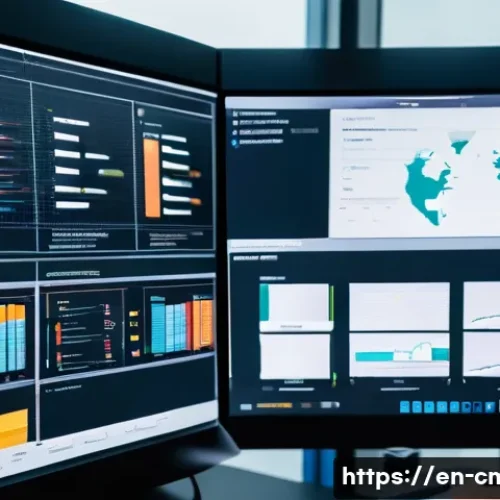
A professional adult female materials testing engineer in a clean, modest lab coat, standing in a state-of-the-art materials testing laboratory. She is focused on a large digital display showing real-time data analytics and IoT sensor readings related to concrete curing. In the background, automated robotic arms are seen performing precise tests on material samples, and other cutting-edge diagnostic equipment is visible. The environment is modern, well-lit, and highlights technological innovation. She has perfect anatomy, correct proportions, and a natural pose with well-formed hands and proper finger count. professional dress, fully clothed, appropriate attire, safe for work, appropriate content, professional, modest, high quality professional photography.

The world of construction materials testing might seem steady from the outside, but believe me, having spent years with my hands on aggregates and my eyes on testing machines, it’s anything but static.

This isn’t just about mixing concrete or pulling rebar; it’s a dynamic field constantly evolving with groundbreaking innovations. Frankly, I’ve witnessed firsthand how quickly new materials emerge, sustainable practices gain traction, and even AI starts to reshape our daily workflows – from predictive analysis to automated quality control.

To remain at the forefront, not just relevant but truly indispensable, every technician needs a proactive strategy for growth. It’s about more than just staying certified; it’s about embracing the future of building from the ground up.

Let’s dive into the specifics below.

Embracing the Digital Frontier: AI, IoT, and Data Analytics

revolutionize - 이미지 1

Believe me, when I first started out, a good spreadsheet was considered cutting-edge for data management in materials testing. Fast forward to today, and if you’re not actively engaging with artificial intelligence, the Internet of Things (IoT), and robust data analytics, you’re not just falling behind – you’re essentially working in a different era. I’ve personally seen how integrating AI into our lab processes has transformed everything from predictive maintenance on our Universal Testing Machines to automating routine data validation, catching anomalies that my tired eyes might have missed after a long day. It’s exhilarating, but also a bit daunting if you don’t know where to start. We’re talking about algorithms that can predict concrete strength based on mix design and aggregate properties with surprising accuracy, or IoT sensors embedded in curing concrete sending real-time temperature and humidity data directly to your tablet. This isn’t science fiction; it’s the present reality, and it’s fundamentally changing how we approach quality control and material behavior analysis. The efficiency gains are massive, but more importantly, the insights we can glean from large datasets are unlocking new levels of understanding about material performance that were previously unimaginable. I vividly recall a project where predictive analytics helped us identify a subtle variation in an aggregate supply that, unchecked, would have led to significant delays and cost overruns down the line. It was a game-changer for that project, and a clear signal of where the industry is heading.

1. Leveraging AI for Predictive Analysis and Quality Control

It’s no secret that AI is everywhere, but its application in materials testing is truly revolutionary. From my direct experience, AI-powered image recognition can now scrutinize aggregate samples for shape and texture far more consistently than the human eye, even on its best day. Think about it: traditional visual inspections, while critical, are inherently subjective. An AI system, however, can be trained on millions of data points to identify microscopic cracks or inconsistencies in a rebar sample, offering a level of precision and speed we could only dream of a decade ago. I’ve witnessed how adopting these tools has significantly reduced human error, freeing up skilled technicians for more complex analytical tasks rather than repetitive checks. Furthermore, predictive models, fed with historical test data, environmental conditions, and material compositions, can now forecast potential material failures or performance deviations with remarkable accuracy. This doesn’t just save time and money; it fundamentally enhances safety and reliability in construction. I remember initially being skeptical, wondering if these “smart machines” would take over our jobs. But what I’ve found is they augment our capabilities, allowing us to perform at a higher, more strategic level, turning vast amounts of raw data into actionable insights.

2. Integrating IoT Sensors for Real-time Monitoring

The Internet of Things, or IoT, has quite literally put eyes and ears where we never had them before. I’ve been involved in projects where tiny, robust IoT sensors were embedded directly into fresh concrete pours on large-scale infrastructure projects. These little marvels transmit real-time data on temperature, humidity, and even early-stage strength development directly to our central dashboards. This constant stream of information allows us to monitor curing conditions with unprecedented accuracy, ensuring optimal strength gain and preventing potential issues like thermal cracking. Before IoT, we relied on periodic site visits and manually taking readings, which always introduced delays and potential data gaps. Now, a technician can monitor multiple pours across vast distances from a central lab, receiving instant alerts if conditions deviate from specified parameters. It’s incredibly empowering. I recall one instance where an unexpected cold snap hit during a critical bridge deck pour; the IoT sensors immediately flagged a rapid temperature drop. Thanks to that real-time alert, we were able to deploy protective measures almost instantly, saving the concrete from irreversible damage and keeping the project on schedule. This proactive capability, driven by continuous data flow, is invaluable.

Mastering Sustainable Materials and Green Certifications

The push for sustainability isn’t just a buzzword in construction anymore; it’s a fundamental shift, and materials testing is right at its heart. Frankly, if you’re not well-versed in low-carbon concretes, recycled aggregates, or bio-based composites, you’re missing a massive piece of the modern construction puzzle. I’ve seen a dramatic increase in demand for testing protocols that evaluate the environmental impact and long-term performance of these innovative ‘green’ materials. It’s not enough to just ensure they meet strength requirements; we’re now scrutinizing their embodied carbon, their potential for recycling, and their durability under various environmental stressors, especially in extreme climates. This shift is invigorating because it means our role as technicians is expanding beyond pure structural integrity to encompass environmental stewardship. Understanding the nuances of these materials – their unique curing behaviors, their interaction with traditional components, and their specific testing challenges – is becoming absolutely paramount. I’ve personally been involved in projects where we had to devise entirely new testing methodologies to properly assess the performance of a novel geopolymer concrete, which was both challenging and incredibly rewarding.

1. Understanding Eco-Friendly Material Properties and Behavior

When you’re dealing with materials like slag-based cements, fly ash, or even timber-concrete composites, their behavior under stress and over time can be significantly different from traditional OPC concrete or steel. My experience has shown that these materials often have unique hydration properties, different thermal expansion coefficients, and varying degrees of permeability. This requires a deeper understanding of material science than ever before. For example, some geopolymers exhibit extremely rapid strength gain but might be more sensitive to early-age moisture loss, demanding precise curing controls. Or, recycled aggregates, while fantastic for reducing waste, might introduce variability in mix designs that requires more rigorous and frequent testing. It’s a continuous learning curve, but it’s fascinating. I remember a project involving high volumes of recycled concrete aggregate where we had to recalibrate our standard absorption tests and adjust mix designs based on real-time aggregate moisture content to ensure consistent batch quality. This kind of adaptive thinking, driven by a deep understanding of the materials’ unique quirks, is what sets a truly skilled technician apart today.

2. Navigating Green Building Certifications and Standards

Being able to speak the language of LEED, BREEAM, or other green building certification systems is no longer optional for materials testing professionals. These certifications often have stringent requirements for the provenance and performance of materials, and we, as technicians, are on the front lines of verifying compliance. It involves meticulous documentation, understanding specific material credits, and sometimes even proposing alternative testing methods to demonstrate adherence to sustainability goals. I’ve seen how labs that proactively train their staff on these standards become preferred partners for developers aiming for certified green buildings. It’s about more than just running tests; it’s about providing valuable data that directly contributes to a project’s environmental rating. I vividly recall a project where our precise documentation of recycled content and local sourcing for aggregates helped a client achieve crucial points for their LEED certification, which was a huge win for them and for us, cementing our reputation as a key player in sustainable construction.

Deepening the Scientific Understanding of Material Behavior

While practical testing is our bread and butter, having a profound, theoretical understanding of *why* materials behave the way they do is truly empowering. It moves you beyond simply following a test procedure to actually interpreting results, troubleshooting anomalies, and even contributing to R&D. I’ve found that the best technicians aren’t just good at smashing cubes or pulling rebar; they understand the underlying chemistry of hydration, the mechanics of fracture, and the physics of thermal expansion. This deeper dive often requires continuous education, perhaps even delving into materials science journals or advanced university courses. It’s about asking “why did this concrete exhibit such low early strength?” and being able to explore potential causes from a chemical perspective, rather than just re-running the test. This level of expertise allows you to anticipate problems, advise engineers, and truly become an indispensable resource on any project. I once helped identify the root cause of an unusual efflorescence issue in a historic restoration project because I had taken the time to study advanced cement chemistry, which wasn’t directly part of my daily testing routine, but proved invaluable.

1. Advanced Studies in Materials Chemistry and Physics

To truly excel, consider delving into the core scientific principles that govern material behavior. This means understanding molecular structures, phase transformations, and how these influence macroscopic properties like strength, durability, and resilience. For instance, knowing the precise hydration products of different cementitious materials helps you understand why some concretes gain strength faster or exhibit better sulfate resistance. Or, comprehending the thermodynamics of curing helps you predict shrinkage or cracking. My personal journey involved spending extra hours reading research papers on topics like the mechanics of steel fatigue or the long-term degradation mechanisms of polymers. This knowledge isn’t directly applied in every test, but it sharpens your diagnostic abilities immensely. It allows you to look at a failed sample not just as a “failure,” but as a story waiting to be told about material interactions. I recall being able to pinpoint a subtle, microscopic issue in a concrete mix that was causing premature cracking on a precast component, simply because I understood the granular mechanics of aggregate interlocking under stress.

2. Laboratory Diagnostics and Failure Analysis Techniques

Beyond routine testing, developing expertise in advanced laboratory diagnostics and failure analysis is incredibly valuable. This involves techniques like scanning electron microscopy (SEM) to examine microstructures, X-ray diffraction (XRD) to identify crystalline phases, or even thermal analysis (TGA/DTA) to understand material decomposition. These aren’t always part of a standard technician’s toolkit, but becoming proficient in understanding the *results* from these advanced tests, or even learning to operate some of them, elevates your status significantly. When a critical structural component fails, or a material doesn’t perform as expected, these techniques are crucial for forensic analysis. Being able to contribute to, or even lead, a failure investigation is a highly specialized skill. I’ve been part of teams that used SEM to determine if a rebar fracture was due to a manufacturing defect or improper installation, and the insights gained were critical for preventing future incidents and for legal proceedings. It’s challenging work, but incredibly impactful.

Cultivating a Robust Professional Network and Mentorship

Honestly, one of the biggest leaps I made in my career wasn’t through a new certification, but by actively building my professional network. It’s amazing what you can learn and how many opportunities can open up just by connecting with peers, seasoned engineers, researchers, and even equipment manufacturers. Attending industry conferences, workshops, and even local chapter meetings of organizations like ASTM or ACI isn’t just about collecting continuing education units; it’s about exchanging real-world war stories, learning about emerging challenges, and finding mentors who’ve walked the path before you. I can tell you, some of the most critical problem-solving insights I’ve gained weren’t from textbooks, but from conversations with a veteran engineer at a symposium or a fellow technician facing a similar aggregate issue. These connections provide an invaluable support system, offering advice, sharing best practices, and sometimes, pointing you towards your next big career opportunity. Don’t underestimate the power of a good professional relationship; it’s a living, breathing knowledge base right at your fingertips.

1. Engaging with Industry Organizations and Conferences

Getting involved with professional organizations is non-negotiable if you want to stay relevant and expand your horizons. Organizations like the American Society for Testing and Materials (ASTM International), the American Concrete Institute (ACI), or your local construction materials association offer a wealth of resources. I always make it a point to attend their annual conferences or even participate in local committee meetings when I can. These events are fantastic for learning about new standards, research breakthroughs, and industry trends straight from the experts. More importantly, they offer unparalleled networking opportunities. You get to meet the people who write the standards, the researchers developing the next generation of materials, and the practitioners facing the same on-site challenges as you. I remember meeting a leading expert in fiber-reinforced concrete at an ACI convention who, after a brief chat, gave me an invaluable tip on optimizing our lab’s curing room humidity control, which immediately improved our consistent test results.

2. Seeking Mentorship and Peer Collaboration

Finding a mentor has been one of the most transformative experiences in my career. Someone who’s been through the trenches, made the mistakes, and come out stronger. A good mentor won’t just tell you what to do; they’ll challenge your thinking, offer different perspectives, and guide you through complex situations. Similarly, collaborating with peers, whether informally sharing tips or working together on a challenging project, can accelerate your learning curve. I’ve found that discussing a tricky test result with a colleague often leads to insights I wouldn’t have discovered on my own. Don’t be afraid to reach out, ask questions, or offer help. Building these relationships is a two-way street, and the mutual benefit is immense. I vividly recall a time when I was struggling with a complex set of data from a new type of soil stabilization test. My mentor, who had decades of experience, sat down with me for an hour, helping me see patterns I’d completely missed, which ultimately led to a breakthrough in the project.

Sharpening Soft Skills for Enhanced Project Outcomes

It might sound cliché, but technical prowess alone isn’t enough to truly thrive in this field. I’ve seen incredibly skilled technicians struggle to advance because they lacked critical soft skills. We’re talking about communication, problem-solving, attention to detail, and even emotional intelligence. Think about it: you might be an expert at running a test, but if you can’t clearly communicate your findings to an engineer who isn’t a materials specialist, or if you can’t calmly troubleshoot an equipment malfunction under pressure, you’re hindering your effectiveness. These skills are often overlooked in formal training but are absolutely essential for seamless project execution, team collaboration, and client satisfaction. I’ve learned the hard way that a detailed report is only as good as its clarity, and a quick, precise email can prevent hours of confusion on site. Cultivating these abilities makes you not just a tester, but a true partner in the construction process, capable of leading, advising, and streamlining operations. It’s about being able to explain complex technical data in simple terms to a project manager who needs to make quick decisions, or effectively managing your time to meet tight deadlines without compromising accuracy.

1. Mastering Technical Communication and Reporting

Our work culminates in reports, and these reports are often the backbone of critical project decisions. It’s not enough to just perform the tests; you need to communicate the results clearly, concisely, and accurately. This means developing strong written communication skills, understanding how to structure a report, and using language that is both precise and understandable to a diverse audience – from fellow technicians to project managers and clients who may not have a technical background. I’ve found that learning to articulate complex technical findings in plain language, without jargon, is a superpower. Oral communication is just as vital, whether you’re explaining a test procedure to a new colleague or presenting findings in a project meeting. I remember early in my career, I’d just dump data onto a page. My mentor pushed me to think about the “story” the data was telling, to highlight key takeaways, and to suggest implications. This shift in approach made my reports far more impactful and my advice much more valued.

2. Cultivating Problem-Solving and Critical Thinking

Every day in materials testing presents a new puzzle. Why is this slump off? Why did this concrete sample fail prematurely? How can we adapt a test method for a novel material? The ability to systematically analyze a problem, identify potential causes, and devise effective solutions is paramount. This isn’t just about fixing broken equipment; it’s about troubleshooting inconsistent results, adapting to unexpected site conditions, and optimizing testing procedures. Critical thinking involves questioning assumptions, evaluating evidence, and making informed judgments. It’s about not just accepting a result at face value but asking “why?” and digging deeper. I’ve often found myself in situations where a seemingly straightforward test yielded baffling results, and it was my ability to critically analyze the entire process – from sample collection to equipment calibration – that helped uncover the hidden issue. This capacity for deep analytical thought is what transforms a good technician into an indispensable one.

Key Evolution in Materials Testing Skills
Skill Area Traditional Technician Role (Past) Modern Technician Role (Present & Future)
Core Knowledge Specific test procedures, basic material types. Broad material science, advanced material behavior, interdisciplinary understanding.
Tools & Technology Manual instruments, basic data entry. AI-powered software, IoT sensors, advanced diagnostics, data analytics platforms.
Problem Solving Troubleshooting equipment, re-running tests. Forensic analysis, root cause identification, predictive troubleshooting, method adaptation.
Collaboration Internal lab communication. Cross-functional teams, client consultation, academic partnerships, global networking.
Focus Compliance, quality control. Sustainability, innovation, efficiency, risk mitigation, continuous improvement.

Navigating Regulatory Landscapes and Compliance Standards

The regulatory environment for construction materials is constantly shifting, evolving with new safety concerns, environmental mandates, and technological advancements. As a materials testing technician, you’re not just executing tests; you’re often the front line of ensuring compliance with a myriad of local, national, and international standards. This means staying meticulously updated on changes to codes like ASTM, ISO, ACI, or even localized building codes. Missing a change, or misinterpreting a new standard, can have serious consequences, from project delays to legal liabilities. I’ve personally felt the pressure of a critical project being held up because our documentation didn’t perfectly align with the latest version of a specific testing standard. It’s a tedious but absolutely vital part of the job. Proactive engagement with these updates isn’t just about avoiding pitfalls; it’s about positioning yourself and your lab as a trusted authority, capable of navigating the complex web of regulations that govern safe and sustainable construction. It requires an incredible eye for detail and a commitment to continuous learning in what can sometimes feel like a constantly moving target.

1. Staying Current with Evolving Industry Standards

This isn’t just about reading a memo; it’s about subscribing to alerts from standard-setting bodies, attending webinars on new specifications, and actively participating in discussions about their implementation. For example, ASTM revises standards constantly, and sometimes even a seemingly small change in a procedure for aggregate gradation or concrete cylinder curing can have significant implications for test results and project acceptance. I make it a point to regularly review the updates from bodies like ASTM and ISO, particularly for the tests we perform most frequently. I remember a specific instance where a new clause was added to an aggregate soundness test method regarding the conditioning period, and catching that subtle update early on prevented us from producing non-compliant data for a major highway project. It’s about diligence and recognizing that your knowledge base needs constant refreshing, much like recalibrating your testing equipment.

2. Understanding Regional and International Building Codes

Beyond material-specific standards, an awareness of how materials testing integrates with broader building codes, both regional and international, is incredibly beneficial. Different regions, and even different project types, might mandate specific testing frequencies, reporting formats, or performance criteria. For technicians working on projects that span various jurisdictions or involve international clients, this can get particularly complex. For example, a concrete mix design perfectly acceptable under one national building code might require additional testing or different aggregate sourcing to meet another. I’ve worked on projects with components sourced globally, requiring an understanding of various international standards and how they correlate. This level of comprehensive understanding allows you to anticipate challenges, advise clients on compliance pathways, and ensure that all materials used contribute to a structure that meets all legal and safety requirements wherever it’s built. It adds immense value beyond just the lab bench.

Exploring Niche Specializations and Advanced Methodologies

While a strong foundation in general materials testing is essential, finding and developing expertise in a niche area can truly elevate your career. The field is vast, and specializations are emerging constantly, driven by new construction methods, environmental concerns, or advanced material science. Think about areas like non-destructive testing (NDT), forensic materials engineering, geopolymer concrete, self-healing materials, advanced composites, or even the testing of recycled and waste-derived materials. By diving deep into one of these areas, you become the go-to expert, solving problems that others can’t, and contributing to cutting-edge research and development. I personally became fascinated with non-destructive testing for existing structures – using techniques like ground-penetrating radar or ultrasonic pulse velocity to assess concrete integrity without breaking it apart. This specialization opened doors to completely new types of projects and collaborations. It allows you to become truly indispensable, solving highly specific, complex problems that require a unique blend of theoretical knowledge and practical application.

1. Non-Destructive Testing (NDT) Techniques

Non-destructive testing methods are increasingly vital, especially for assessing existing infrastructure or for quality control of pre-fabricated components. Learning techniques such as ultrasonic testing, rebound hammer tests, ground-penetrating radar (GPR), infrared thermography, or even magnetic particle inspection for steel can set you apart. These methods allow for rapid assessment of material integrity, defect detection, and quality assurance without damaging the structure or component. My personal journey into NDT began when I realized the immense value in being able to assess a bridge deck’s internal condition without disruptive coring. It’s a completely different mindset from destructive testing, focusing on interpreting signals and patterns. Mastering these techniques requires specialized training and certification, but the investment is well worth it. I’ve been able to identify critical voids in concrete elements and corrosion in rebar that would have otherwise gone undetected until it was too late, saving significant costs and ensuring structural safety.

2. Specializing in Advanced or Novel Materials

The construction industry is constantly innovating, bringing forth exciting new materials that challenge traditional testing paradigms. From advanced high-performance concretes (HPC) and ultra-high performance concretes (UHPC) to fiber-reinforced polymers (FRP) and various types of smart materials, each presents unique testing requirements and performance characteristics. Specializing in one or more of these areas means you’re at the forefront of the industry, contributing to the development and application of future construction technologies. This often involves collaborating with researchers, adapting existing test methods, or even developing entirely new ones to accurately assess these novel materials. I’ve found great satisfaction in working with academic institutions to refine testing protocols for a new generation of self-healing concrete, understanding how micro-capsules release healing agents. This isn’t just a job; it’s being part of shaping the future of how we build. It’s incredibly rewarding to be the person that others turn to when they encounter a material they’ve never seen before.

Wrapping Up

The journey of a materials testing technician has evolved remarkably, transforming from a largely manual role into a dynamic, data-driven, and highly specialized profession. As I reflect on my own path, it’s clear that continuous learning, a willingness to embrace new technologies, and a deep understanding of both the science and the softer skills are no longer optional – they are absolutely essential. This isn’t just about smashing cylinders or pulling rebar; it’s about being at the forefront of sustainable construction, ensuring structural safety, and contributing to the innovative materials that will build our future. It’s a challenging, yet incredibly rewarding field, and I wouldn’t trade the insights and experiences for anything.

Helpful Resources & Tips

1. Professional Organizations: Actively engage with groups like ASTM International, American Concrete Institute (ACI), or local engineering societies. Their publications, conferences, and networking events are invaluable for staying current and making connections.

2. Online Learning & Certifications: Explore platforms like Coursera, edX, or specialized industry training providers for courses in data analytics, AI fundamentals, advanced materials science, or NDT certifications (e.g., ASNT). Investing in yourself always pays off.

3. Mentorship Programs: Seek out experienced professionals in your field. Many industry organizations offer formal mentorship programs, or you can find informal mentors through networking. Their wisdom and guidance can accelerate your career path significantly.

4. Software Proficiency: Become proficient in data analysis software (like Excel, Python/R for basic scripting, or specialized lab software), and familiarize yourself with BIM (Building Information Modeling) concepts, as these tools are increasingly integrated into project workflows.

5. Attend Industry Webinars & Workshops: Even if you can’t attend major conferences, many organizations offer free or low-cost webinars on emerging technologies, new standards, and best practices. These are perfect for keeping your knowledge sharp from your desk.

Key Takeaways

The modern materials testing technician transcends traditional roles, becoming a vital, multi-faceted expert. Success hinges on a blend of cutting-edge technological literacy (AI, IoT), a profound scientific understanding, a commitment to sustainability, strong professional networking, and well-honed soft skills like communication and critical thinking.

This evolution ensures not just compliance, but innovation and true leadership in the construction industry.

Frequently Asked Questions (FAQ) 📖

Q: Given your experience, what are some of the most surprising or impactful innovations you’ve personally witnessed in construction materials testing over the years?

A: Oh, where do I even start? It’s wild how much has shifted. When I first started, concrete was…
well, concrete. Now, I’ve seen everything from self-healing concrete, which genuinely blew my mind when I first heard about it – imagine cracks just closing up!
– to super-lightweight composites that are redefining structural limits. But honestly, the biggest shift for me isn’t always the flashy new material itself, it’s how we test it.
We’re talking about non-destructive testing becoming incredibly sophisticated, using things like ground-penetrating radar to assess concrete quality without having to bash it to bits.
And the push for sustainable materials? That’s huge. I’ve been involved in projects testing everything from recycled asphalt pavement to geopolymer concretes made with industrial waste.
It’s not just theory anymore; these things are actually being implemented on job sites, and we’re the ones ensuring they perform. It feels like we’re constantly on the edge of what’s next.

Q: You mentioned

A: I reshaping daily workflows. Can you share a specific, real-world example of how AI has changed a testing process you’re familiar with? A2: Absolutely.
It’s no longer sci-fi, it’s just… Monday. One area where AI has been a game-changer is in predictive analysis for concrete strength gain.
Back in the day, we’d cast cylinder after cylinder, waiting days, sometimes weeks, for a break test to confirm strength. It was slow, and if you had an issue, you only found out after the fact.
Now, with sensors embedded directly in pours and AI algorithms analyzing real-time temperature, humidity, and mix design data, we can predict strength development with surprising accuracy.
I’ve seen systems flag potential issues with a batch hours after it’s poured, rather than days later when it’s already set. This means we can intervene, adjust curing, or even decide to replace a section much earlier, saving a project a fortune and a massive headache.
It’s transformed our quality control from reactive to proactive, and frankly, it feels like we’ve gained a superpower, cutting down on re-work and boosting confidence in our results.

Q: Beyond just staying certified, what’s the most critical “proactive strategy for growth” a technician needs to embrace to remain truly indispensable in this evolving field?

A: Look, getting certified is the baseline – it’s your entry ticket. But to be indispensable, to be the person they can’t do without? It boils down to relentless curiosity and a willingness to step outside your comfort zone.
The most valuable technicians I know aren’t just experts in their current tests; they’re constantly looking over the horizon. They’re reading up on new material science, asking questions about AI’s role, and even dabbling in data analytics.
I’ve seen technicians who started out purely on aggregate testing teach themselves enough about sensor technology to troubleshoot a smart concrete setup.
It’s about becoming a problem-solver, not just an executor of tests. Embrace new tech, don’t fear it. Attend industry webinars, even if they’re not directly about your daily tasks.
Network with folks who are working on the cutting edge. Because the truth is, the methods we use today might be obsolete in five years. Your ability to adapt, learn, and apply new knowledge – that’s your real job security.
It’s not just about what you know, but how quickly and enthusiastically you can learn what’s next.