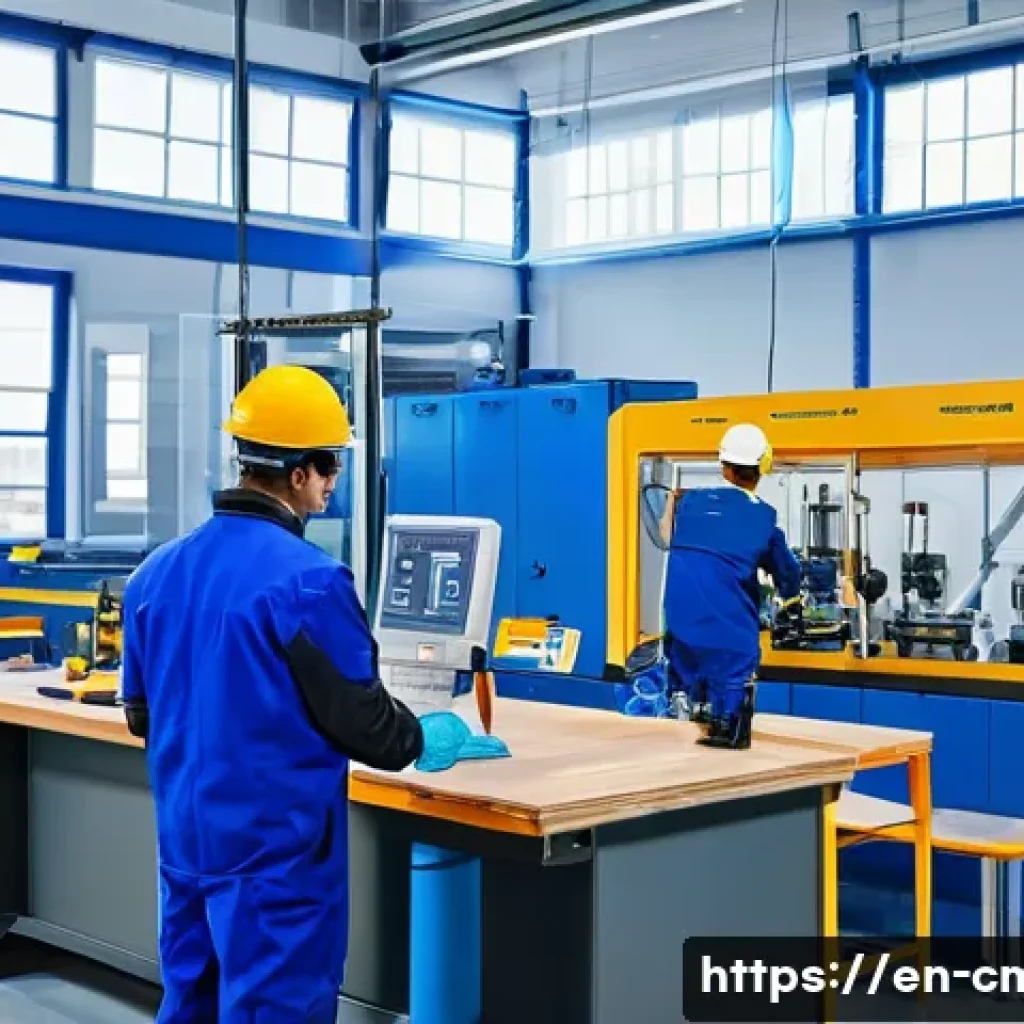
In the fast-paced world of construction, the role of materials testing technicians has become more vital than ever. These professionals ensure that every material used meets stringent safety and quality standards, directly impacting the durability and safety of structures.
With globalization, international standards like ASTM, ISO, and EN have become benchmarks that guide consistent testing methods worldwide. Staying updated with these evolving standards not only enhances the technician’s expertise but also promotes trust across borders.
Curious about how these standards shape construction quality and what it means for professionals in the field? Let’s dive deeper and explore the details together!
Ensuring Material Integrity Through Rigorous Testing
Understanding the Critical Role of Material Evaluation
Material testing isn’t just a box to check in construction projects; it’s the backbone of structural reliability. When I first stepped into this field, I was surprised at how even minor deviations in material properties could lead to catastrophic failures down the line.
Testing ensures that concrete, steel, asphalt, and other materials perform exactly as they should under various conditions, from load-bearing stresses to environmental exposure.
This constant vigilance helps avoid costly repairs and safety hazards, making the technician’s role invaluable on any site.
Common Testing Methods and Their Significance
There’s a wide range of tests that materials undergo, each tailored to reveal specific characteristics. For instance, compression tests tell us how much load concrete can bear before cracking, while tensile tests evaluate the stretching limits of steel.
Impact and fatigue tests simulate long-term wear and tear, which is crucial for materials used in bridges or highways. I’ve noticed that technicians who master these methods not only improve project outcomes but also gain greater confidence when interpreting results, which in turn elevates their professional standing.
How Testing Prevents Future Structural Failures
From my experience, the stories of structures failing because of subpar materials are alarmingly common. What separates a successful project from a disaster is often early detection of weaknesses through testing.
By identifying potential issues before construction progresses, technicians help teams make informed decisions—whether that means rejecting a batch of steel or adjusting the mix design of concrete.
This proactive approach saves lives and money, and it’s why the precision and accuracy of material testing can never be overstated.
Global Benchmarks Shaping Quality Assurance
The Impact of International Standards on Testing Practices
The rise of globalization means construction projects often span multiple countries and climates, demanding uniform quality assurance. Standards like ASTM (American Society for Testing and Materials), ISO (International Organization for Standardization), and EN (European Norms) provide a common language for quality.
When I’ve worked with multinational teams, these standards were the glue that held diverse processes together, ensuring that materials met universally accepted safety and performance criteria regardless of origin.
Why Staying Current with Standards Is a Game-Changer
Standards don’t stay static; they evolve as new research and technologies emerge. Technicians who actively update their knowledge benefit from being able to apply the latest best practices, which often means more efficient testing and greater accuracy.
Personally, attending workshops and certification renewals has helped me stay sharp and competitive. It also builds trust with clients and engineers who rely on verified data to make decisions, reinforcing the technician’s role as a crucial expert.
Challenges in Adopting International Testing Protocols
Adapting to international standards isn’t without its hurdles. Differences in equipment, training, and local regulations can complicate implementation.
I’ve encountered situations where a lab had to overhaul its entire testing process to comply with new ISO guidelines, requiring significant investment and retraining.
Despite these challenges, the benefits of harmonizing testing approaches worldwide—such as improved safety and market access—far outweigh the initial difficulties.
Technician Expertise: More Than Just Following Procedures
The Value of Hands-On Experience and Critical Thinking
While standardized methods provide a framework, the true skill lies in interpreting results and troubleshooting unexpected outcomes. Early in my career, I learned that blindly following protocols without understanding the material context can lead to misjudgments.
Experienced technicians develop a nuanced sense for when something “feels off,” prompting further investigation. This blend of knowledge and intuition is what sets apart average testers from those who truly ensure material excellence.
Communication: Bridging the Gap Between Testing and Construction Teams
One of the less talked-about but essential skills is the ability to communicate findings effectively. I’ve often found myself translating complex technical data into clear, actionable insights for project managers and engineers.
This dialogue helps align everyone’s expectations and accelerates problem-solving. In fact, fostering this communication can be the difference between a smooth project timeline and costly delays.
Continual Learning as a Path to Career Advancement
The construction industry is dynamic, and technicians who embrace continuous education tend to progress faster professionally. I’ve noticed that those who pursue certifications, attend seminars, or participate in industry forums not only enhance their technical skills but also expand their professional networks.
These opportunities often lead to leadership roles or specialized positions, making lifelong learning a key ingredient for success.
Technological Advances Enhancing Testing Precision
Introduction of Automated and Digital Testing Tools
Technology has revolutionized material testing, making procedures faster, more accurate, and less prone to human error. I recall the shift from manual compression machines to digital load frames equipped with sensors and data logging—it was a game changer.
Automation allows for real-time monitoring and immediate feedback, which helps technicians catch anomalies instantly rather than waiting for lab reports.
Integration of Data Analytics and AI in Testing
Some labs I’ve visited are now using AI algorithms to analyze test data patterns, predicting potential material failures before they occur. This predictive capability is still emerging but shows huge promise in risk mitigation.
Leveraging big data analytics can uncover subtle trends invisible to the naked eye, helping engineers design safer structures based on empirical evidence rather than assumptions.
Challenges and Adaptations in Implementing New Technologies
While these advances are exciting, they come with a learning curve and cost. Not every facility can immediately adopt the latest tech due to budget constraints or lack of trained personnel.
From my conversations with colleagues, gradual integration and hands-on training are essential to ensure these tools enhance rather than complicate workflows.
Patience and adaptability remain key virtues in this evolving landscape.

Comparing Major Testing Standards Worldwide
Key Differences and Overlaps Among ASTM, ISO, and EN
Though ASTM, ISO, and EN all aim to standardize testing, they vary in scope, methodology, and regional influence. ASTM, for example, is widely used in the US and emphasizes detailed test procedures, whereas ISO offers a broader international framework with a focus on quality management systems.
EN standards are primarily adopted across Europe, often harmonizing with ISO but including region-specific requirements. Recognizing these nuances helps technicians select the appropriate protocols based on project location and client demands.
Table: Overview of Major Construction Material Testing Standards
| Standard | Region | Focus Area | Typical Use | Key Feature |
|---|---|---|---|---|
| ASTM | United States | Material properties and test methods | Concrete, steel, asphalt testing | Highly detailed, prescriptive procedures |
| ISO | Global | Quality management and testing standards | International projects, certification | Emphasizes system-wide quality assurance |
| EN | Europe | Harmonized technical standards | Construction materials, product safety | Aligns with ISO but includes regional specifics |
Implications for Multinational Construction Projects
When dealing with cross-border construction, understanding these standards can prevent costly misunderstandings and rework. I’ve seen projects where conflicting standards initially caused delays until the team agreed on a harmonized testing approach.
Early coordination on standards selection ensures smooth logistics and regulatory compliance, ultimately safeguarding the project’s timeline and budget.
Building Trust and Credibility Through Certification
The Importance of Professional Certifications for Technicians
Certifications such as those from NACE, ACI, or ISO auditor credentials do more than just decorate a resume. From what I’ve experienced, they build confidence among employers and clients by demonstrating a technician’s commitment to quality and expertise.
Certified technicians often have access to better job opportunities and can command higher wages, reflecting their trusted status in the industry.
How Certification Enhances Testing Accuracy and Consistency
Certified professionals are trained rigorously in current standards and best practices, which translates into more consistent and reliable testing outcomes.
I’ve personally witnessed the difference when a newly certified colleague introduced standardized documentation and calibration routines that reduced errors significantly.
This consistency is critical because even minor lapses can compromise entire projects.
Continuous Certification as a Reflection of Professionalism
Maintaining certifications requires ongoing education and reassessment, which helps technicians keep pace with evolving industry demands. I encourage peers to view this not as a chore but as an opportunity to stay engaged and grow professionally.
Those who embrace continuous certification tend to be viewed as leaders and trusted advisors within their organizations.
Overcoming Common Obstacles in Material Testing
Dealing with Equipment Limitations and Maintenance
One of the most frequent challenges I’ve encountered is keeping testing equipment calibrated and up to date. Faulty or outdated machines can produce inaccurate results, undermining the entire process.
Regular maintenance schedules and investing in reliable brands have proven essential in my experience to avoid costly retests or disputes.
Managing Time Constraints on Fast-Paced Projects
Construction timelines often demand quick turnaround on testing results, which can pressure technicians to rush or cut corners. I’ve learned that prioritizing critical tests and employing rapid yet reliable methods helps meet deadlines without sacrificing quality.
Clear communication with project managers about realistic testing durations also fosters mutual understanding and reduces stress.
Ensuring Data Integrity and Documentation Accuracy
Accurate record-keeping is as important as the tests themselves. I’ve seen projects delayed because of missing or inconsistent documentation. Implementing digital data management systems and double-checking reports before submission has helped me maintain high standards and avoid misunderstandings, which ultimately supports smoother project execution.
In Conclusion
Material testing stands as a vital pillar in ensuring the safety and durability of construction projects. Through rigorous evaluation, adherence to evolving standards, and skilled interpretation, technicians play a crucial role in preventing failures and enhancing quality. Embracing new technologies and continuous learning only strengthens this foundation. Ultimately, the commitment to precise testing safeguards both lives and investments.
Useful Information to Keep in Mind
1. Regular updates to international standards like ASTM, ISO, and EN are essential to maintain testing accuracy and global compliance.
2. Hands-on experience combined with critical thinking helps technicians detect anomalies that standard procedures might overlook.
3. Effective communication between testing teams and project managers can prevent costly delays and improve project outcomes.
4. Technological advancements such as automation and AI are transforming material testing, but require careful integration and training.
5. Professional certifications boost credibility, improve testing consistency, and open doors to career advancement.
Key Takeaways
Ensuring material integrity demands more than following protocols—it requires expertise, adaptability, and proactive communication. Staying current with global standards and embracing technological innovations enhances testing precision and reliability. Maintaining equipment, managing time pressures, and safeguarding data integrity are ongoing challenges that must be addressed diligently. Above all, continuous education and certification are essential to uphold professionalism and trust in the construction industry.
Frequently Asked Questions (FAQ) 📖
Q: Why are international standards like
A: STM, ISO, and EN important for materials testing technicians? A1: International standards provide a unified framework for testing materials, ensuring consistency, reliability, and safety across projects worldwide.
For technicians, following these standards means their test results are trusted by engineers, architects, and regulatory bodies regardless of location.
This consistency helps prevent structural failures and promotes global collaboration. Personally, I’ve seen how adhering to these standards simplifies communication between teams from different countries, making projects run smoother and safer.
Q: How do materials testing technicians stay updated with evolving standards?
A: Staying current involves continuous education through workshops, certifications, industry seminars, and subscribing to updates from standard organizations.
Many technicians also join professional associations that offer resources and networking opportunities. From my experience, proactively engaging with these learning channels not only sharpens skills but also boosts confidence when handling new testing procedures or materials, which is crucial in today’s fast-evolving construction landscape.
Q: What impact do materials testing technicians have on the overall quality and safety of construction projects?
A: Technicians play a critical role by verifying that construction materials meet required specifications before use. Their work directly affects the durability, safety, and longevity of structures.
I’ve noticed that projects with diligent testing protocols experience fewer costly repairs and delays. When a technician identifies a material flaw early, it prevents potential disasters down the line, saving lives and resources.
In short, their expertise is a cornerstone of building trust and quality in construction.